Wearable Electronics: Health Monitoring Beyond Fitness Trackers
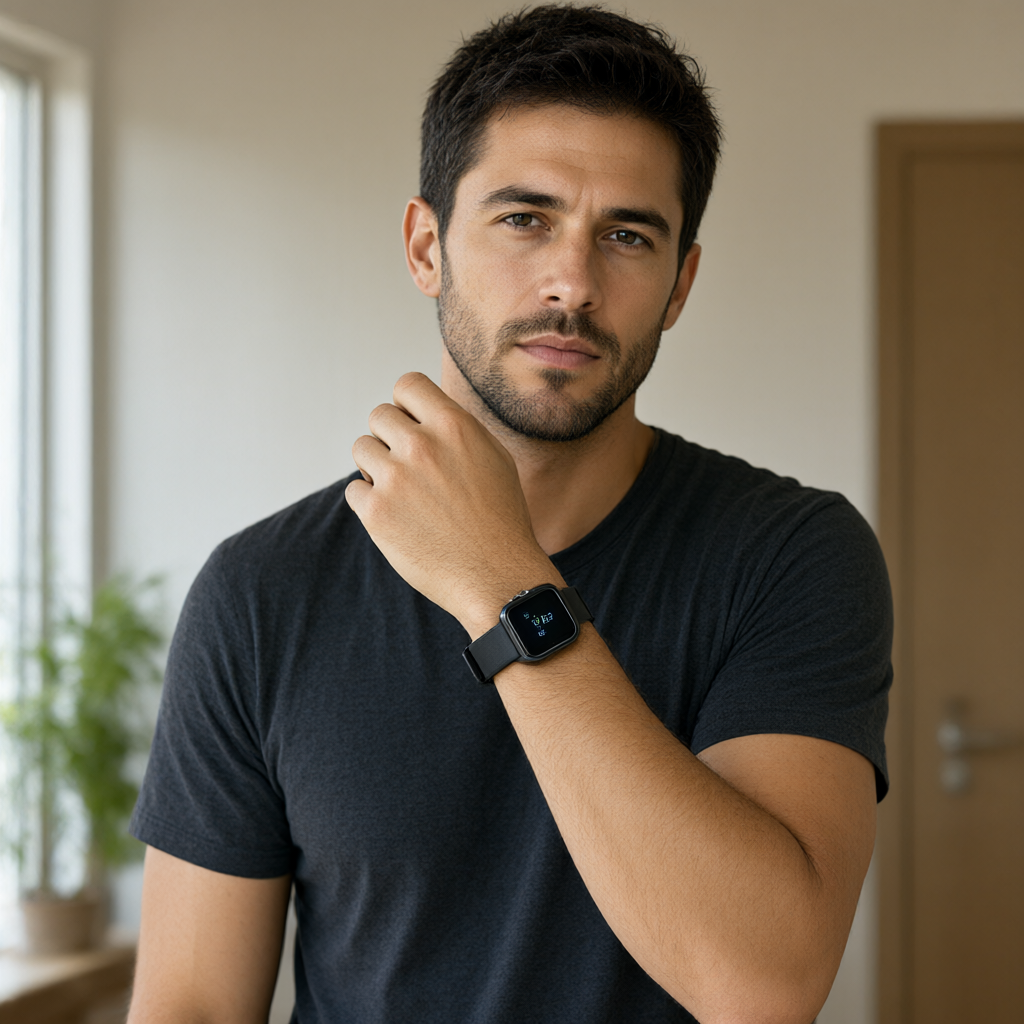
Wearable electronics have revolutionized the way we monitor our health. Gone are the days of simply tracking our fitness goals with basic fitness trackers. Today, wearable electronics have evolved to provide real-time health monitoring, empowering us to take control of our well-being. In this blog post, we'll explore the advancements in wearable electronics and their potential to transform healthcare beyond fitness tracking.
The Rise of Wearable Electronics
The wearable electronics market has experienced tremendous growth in recent years, driven by the increasing demand for health monitoring devices. According to a report by Grand View Research, the global wearable electronics market size is expected to reach USD 51.4 billion by 2025, growing at a CAGR of 15.6% during the forecast period.
The evolution of wearable electronics can be attributed to the convergence of advanced technologies such as sensors, microelectronics, and artificial intelligence. These advancements have enabled the development of sophisticated wearable devices that can monitor vital signs, track health metrics, and even provide personalized health advice.
Beyond Fitness Tracking
While fitness trackers have been a staple in many people's daily lives, wearable electronics have the potential to go beyond mere activity tracking. By integrating advanced sensors and algorithms, wearable devices can monitor vital signs such as heart rate, blood pressure, and oxygen saturation, providing real-time insights into our physical health.
For instance, wearable devices can detect early signs of cardiovascular disease by monitoring heart rate variability, blood pressure, and other vital signs. This information can be used to identify individuals at risk of developing cardiovascular disease, enabling early intervention and prevention.
Moreover, wearable electronics can also monitor mental health metrics such as stress levels, sleep quality, and cognitive function. This information can be used to develop personalized mental health interventions, improving overall well-being.
The Future of Wearable Electronics
As wearable electronics continue to evolve, we can expect to see even more advanced health monitoring capabilities. For instance, wearable devices may be able to detect biomarkers for certain diseases, such as cancer or Alzheimer's, allowing for early detection and treatment.
Additionally, wearable electronics may also integrate with other health technologies such as telemedicine platforms, enabling remote consultations and health monitoring. This could revolutionize healthcare, making it more accessible and convenient for individuals around the world.
Challenges and Opportunities
While wearable electronics hold great promise for transforming healthcare, there are also challenges to be addressed. One of the primary concerns is data security and privacy. With wearable devices collecting sensitive health information, it's essential to ensure that this data is protected from unauthorized access.
Another challenge is the need for standardization in wearable device design and functionality. This would enable seamless integration with other health technologies and facilitate the sharing of data between different devices and systems.
Despite these challenges, wearable electronics have the potential to revolutionize healthcare. By providing real-time health monitoring and personalized health advice, wearable devices can empower individuals to take control of their health, improving overall well-being and reducing healthcare costs.
Conclusion
Wearable electronics have come a long way since the introduction of simple fitness trackers. Today, these devices have the potential to transform healthcare beyond mere activity tracking. By monitoring vital signs, tracking health metrics, and providing personalized health advice, wearable electronics can empower individuals to take control of their health. As the technology continues to evolve, we can expect to see even more advanced health monitoring capabilities, revolutionizing healthcare and improving overall well-being.