E-Waste Recycling: Sustainable Practices in Electronics Manufacturing
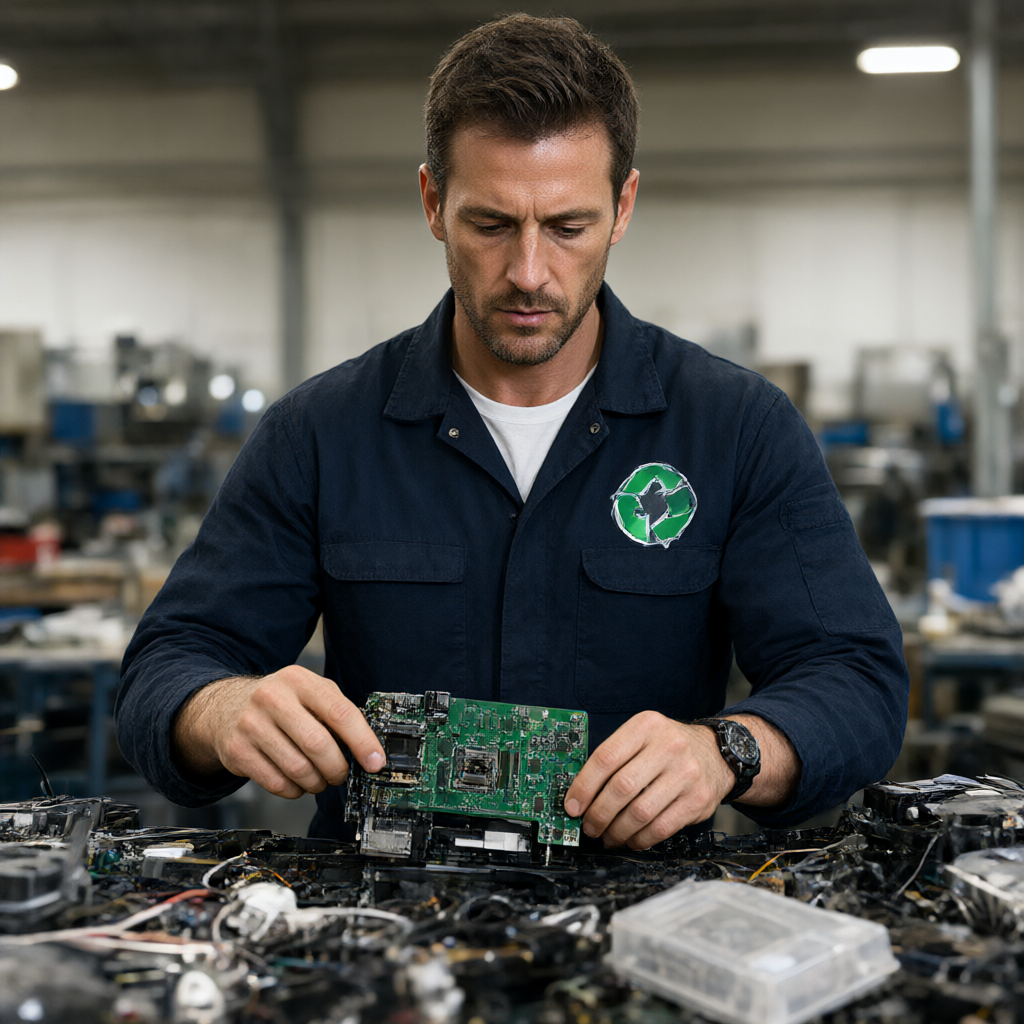
E-Waste Recycling: Sustainable Practices in Electronics Manufacturing
As the world becomes increasingly dependent on electronic devices, the need for sustainable practices in electronics manufacturing has never been more pressing. Electronic waste, or e-waste, is a growing concern that requires immediate attention. With millions of tons of e-waste generated annually, it's essential to adopt environmentally responsible methods for recycling and disposing of electronic devices. In this article, we'll delve into the importance of e-waste recycling, the challenges involved, and the sustainable practices that can make a significant impact.
The Problem of E-Waste
E-waste is a byproduct of the rapid growth of the electronics industry. The constant upgrade cycle and short product lifespan contribute to the staggering amount of e-waste generated worldwide. This waste poses significant environmental and health risks. When e-waste is not disposed of properly, it can leach toxic chemicals into the environment, contaminating soil, air, and water. In addition, the improper handling and processing of e-waste can release hazardous materials, such as lead, mercury, and cadmium, into the atmosphere.
The Challenges of E-Waste Recycling
E-waste recycling is a complex process that requires specialized facilities and trained professionals. The challenges involved in e-waste recycling are multifaceted:
- Material Heterogeneity: E-waste is a mixture of various materials, including plastics, metals, glass, and ceramics. This diversity makes it difficult to design a single recycling process that can effectively extract valuable materials.
- Contamination: E-waste often contains contaminants, such as moisture, oil, and other substances that can interfere with the recycling process.
- Lack of Standardization: There is no uniform standard for e-waste classification, which makes it challenging to develop effective recycling strategies.
- Cost and Energy Efficiency: E-waste recycling processes must be energy-efficient and cost-effective to remain viable.
Sustainable Practices in E-Waste Recycling
In the face of these challenges, it's essential to adopt sustainable practices that minimize the environmental impact of e-waste recycling. Some of the key strategies include:
- Design for Recyclability: Manufacturers can design products with recyclability in mind, reducing the need for costly and energy-intensive recycling processes.
- Component-Level Recycling: Recycling individual components, such as printed circuit boards or batteries, can help recover valuable materials and minimize waste.
- Closed-Loop Manufacturing: Implementing closed-loop manufacturing, where recycled materials are used to produce new products, can significantly reduce the need for primary materials and minimize waste.
- Partnerships and Collaboration: Collaboration between manufacturers, recyclers, and policymakers is crucial for developing effective e-waste recycling strategies and promoting sustainable practices.
- Education and Awareness: Raising awareness about the importance of e-waste recycling and the benefits of sustainable practices can encourage individuals to take action and make a positive impact.
Conclusion
E-waste recycling is a critical component of sustainable electronics manufacturing. As the world continues to rely on electronic devices, it's essential to adopt environmentally responsible practices that minimize waste and promote the recovery of valuable materials. By understanding the challenges involved in e-waste recycling and implementing sustainable strategies, we can make a significant impact on the environment and ensure a more sustainable future.