The Maker Movement: Arduino, Raspberry Pi, and DIY Electronics
The Maker Movement: Arduino, Raspberry Pi, and DIY Electronics
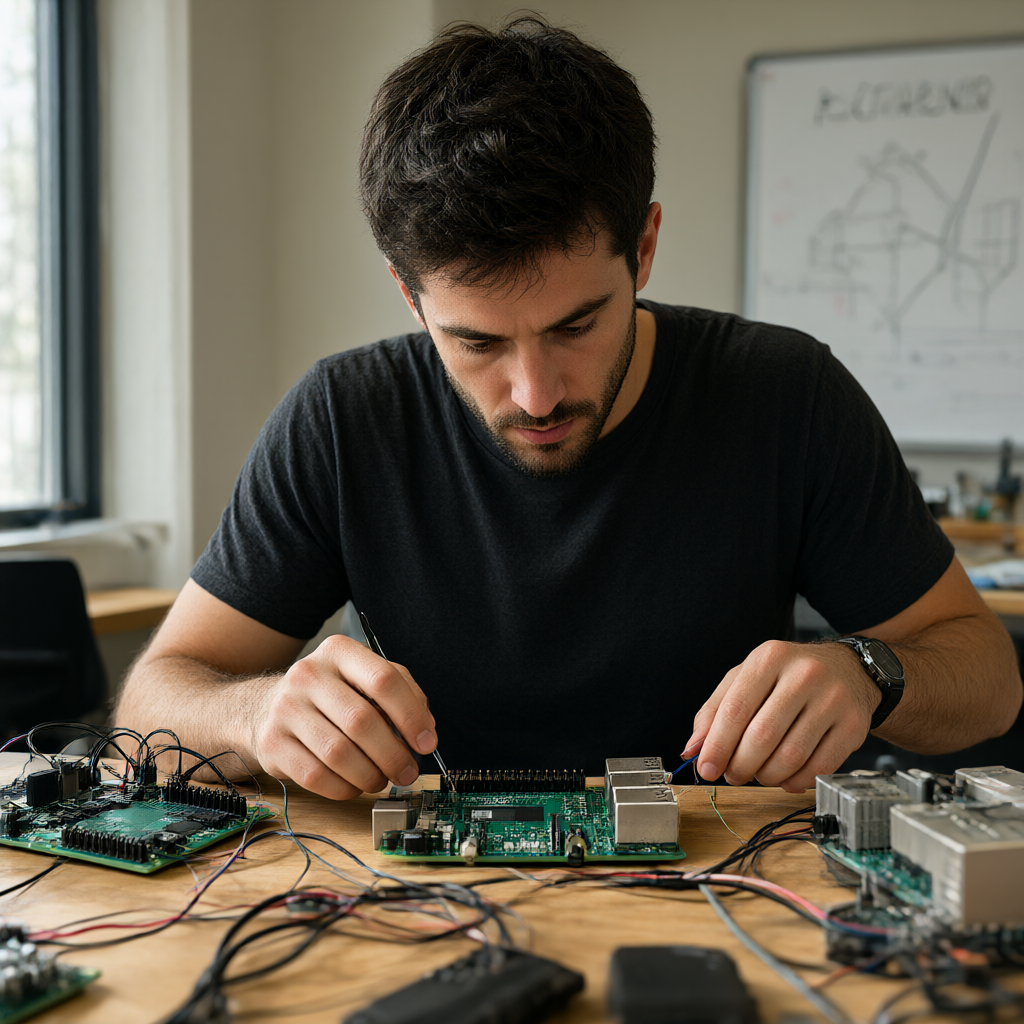
In recent years, the Maker Movement has gained significant momentum, with a growing community of enthusiasts and professionals embracing DIY electronics and innovation. At the heart of this movement are two pioneers: Arduino and Raspberry Pi. In this blog post, we'll explore the world of DIY electronics, the role of these two influential platforms, and the benefits they bring to the world of technology.
The Birth of Arduino
Arduino, founded in 2003 by Massimo Banzi, Gianluca Martino, and David Cuartielles, revolutionized the DIY electronics scene. The first Arduino board, the Arduino Uno, was designed to be easy to use, with a simple programming language and a wide range of compatible components. This approachability opened the doors to a vast audience, allowing individuals without extensive electronics knowledge to create innovative projects.
The Impact of Arduino
Arduino's impact extends far beyond its user base. It has sparked a global community of makers, with millions of boards sold worldwide. The platform has inspired countless projects, from simple LED circuits to complex robotic systems. Arduino's influence can be seen in various industries, including education, healthcare, and environmental monitoring.
Raspberry Pi: A Game-Changer in Computing
In 2006, the Raspberry Pi Foundation was established to promote computer science education and accessibility. The Raspberry Pi single-board computer, launched in 2012, has had a profound impact on the DIY electronics community. With its affordability, flexibility, and powerful processing capabilities, the Raspberry Pi has enabled makers to create a wide range of projects, from media centers to robotics and artificial intelligence.
The Rise of DIY Electronics
The popularity of Arduino and Raspberry Pi has given rise to a new era of DIY electronics. As the cost of electronics components decreases, and the complexity of projects increases, the possibilities for innovation and experimentation have expanded exponentially. This democratization of technology has enabled a new generation of makers to explore and create, driving innovation and progress.
Benefits of DIY Electronics
The Maker Movement and DIY electronics have numerous benefits, including:
- Increased accessibility: DIY electronics platforms like Arduino and Raspberry Pi have made technology more accessible to a broader audience, regardless of age, skill level, or background.
- Innovation and creativity: The freedom to experiment and create has led to the development of novel projects and solutions, often with practical applications.
- Community building: The Maker Movement has fostered a sense of community among enthusiasts, with online forums, meetups, and hackathons promoting collaboration and knowledge sharing.
- Problem-solving and critical thinking: DIY electronics projects require critical thinking, problem-solving, and analytical skills, essential for developing creative solutions.
Conclusion
The Maker Movement, fueled by Arduino, Raspberry Pi, and DIY electronics, has transformed the way we interact with technology. By embracing this movement, we can tap into the collective creativity and innovation of the global community, driving progress and shaping the future of technology. As we look to the future, it's clear that the Maker Movement will continue to play a significant role in shaping the world of electronics and beyond.