5G Hardware: Antenna Design and RF Front-End Challenges
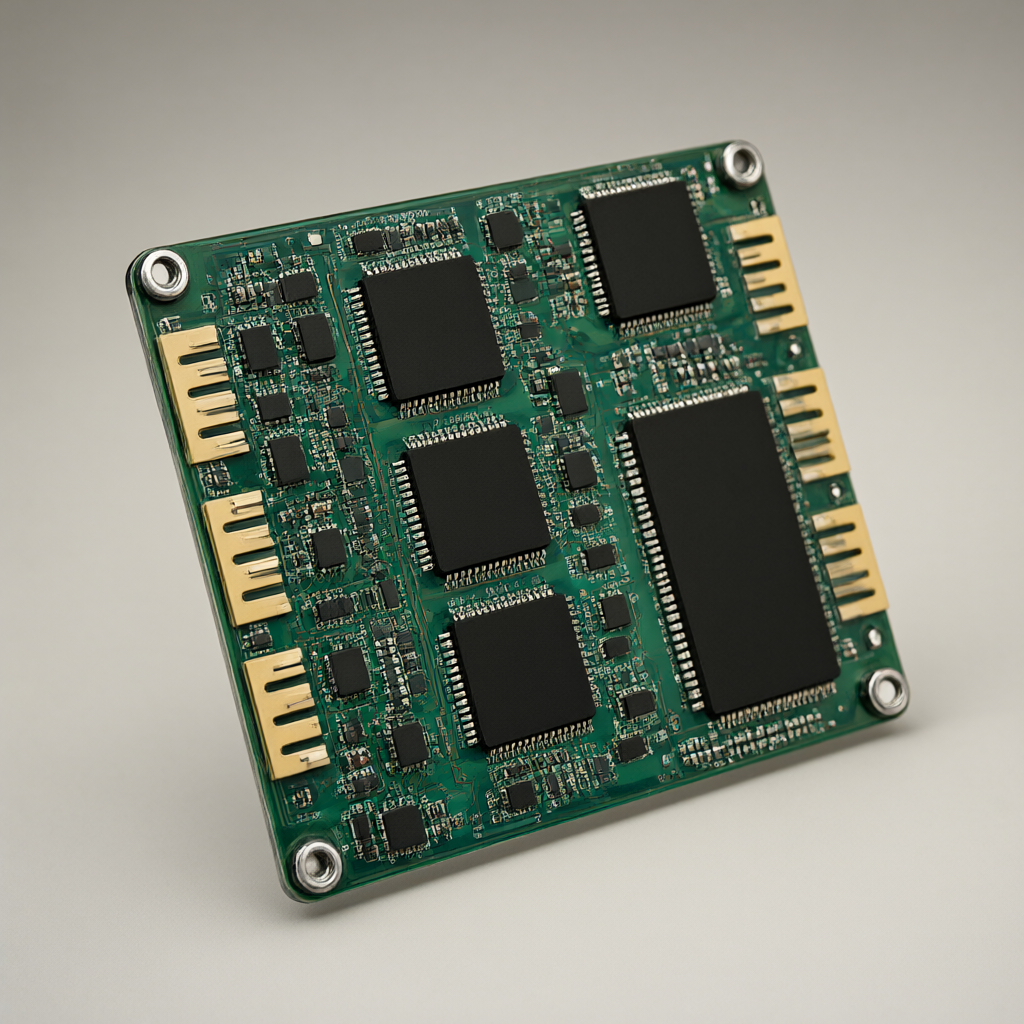
As the world migrates to 5G, the focus is shifting from software to hardware. The antenna design and RF front-end are crucial components that can make or break the performance of a 5G device. In this post, we'll delve into the challenges and innovations in 5G hardware, highlighting the key areas that require attention.
Antenna Design: The Unsung Hero
The antenna is often overlooked as a critical component in 5G device design. However, it plays a vital role in determining the overall performance of the device. The antenna's design and placement can significantly impact the device's ability to receive and transmit 5G signals. The challenges in antenna design are multifaceted:
- Frequency range: 5G operates in a much wider frequency range than its predecessors, making antenna design more complex.
- Multi-mode support: 5G devices need to support multiple frequency bands and modes, which adds complexity to antenna design.
- Beamforming: 5G's beamforming capabilities require antennas that can steer and shape the signal, introducing additional design challenges.
To overcome these challenges, manufacturers are employing innovative antenna designs, such as:
- Multi-element arrays: These arrays consist of multiple antennas that work together to provide better signal reception and transmission.
- Metamaterial antennas: These antennas use artificial materials to manipulate the signal, allowing for more efficient energy transfer.
- 3D-printed antennas: This technology enables the creation of complex antenna shapes that can optimize signal performance.
RF Front-End: The Gateway to 5G
The RF front-end is the critical component that connects the antenna to the device's processing units. It's responsible for amplifying, filtering, and switching the signal. The challenges in RF front-end design are:
- Power consumption: The RF front-end needs to be power-efficient to prolong battery life.
- Linearity: The RF front-end must maintain linearity to ensure accurate signal transmission.
- Noise reduction: The RF front-end must minimize noise to prevent signal distortion.
To address these challenges, manufacturers are adopting innovative RF front-end designs, such as:
- Envelope tracking: This technology adjusts the power supply to the RF front-end based on the signal's envelope, reducing power consumption.
- Digital predistortion: This technique compensates for non-linear effects in the RF front-end, ensuring accurate signal transmission.
- Noise-cancelling techniques: These techniques use sophisticated algorithms to minimize noise and ensure a clean signal.
Conclusion
The antenna design and RF front-end are critical components in 5G device development. Manufacturers must navigate the challenges of frequency range, multi-mode support, and beamforming in antenna design, while also ensuring power efficiency, linearity, and noise reduction in the RF front-end. The innovations in antenna design and RF front-end technology will be crucial in delivering high-performance 5G devices that meet the demands of users. As the 5G ecosystem continues to evolve, it's essential to stay ahead of the curve by addressing these challenges and embracing innovative solutions.