Crypto Custody for Institutions: Security and Compliance Frameworks
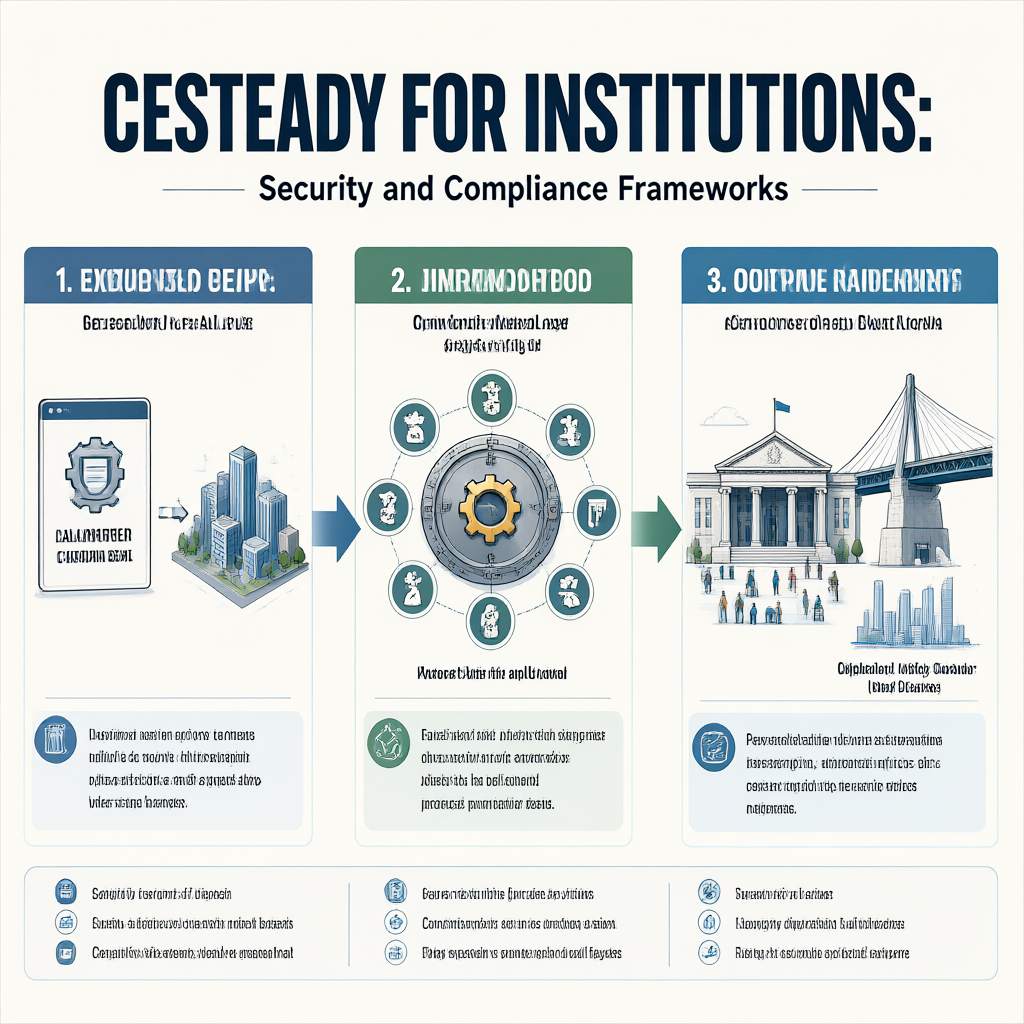
Crypto Custody for Institutions: Security and Compliance Frameworks
As the digital asset market continues to grow, institutional investors are increasingly turning to crypto custody solutions to safeguard their investments. However, navigating the complex landscape of crypto custody requires a deep understanding of the security and compliance frameworks that underpin these services.
In this article, we'll delve into the world of crypto custody for institutions, exploring the importance of security and compliance frameworks in ensuring the integrity of digital assets.
Why Crypto Custody Matters for Institutions
Institutional investors, such as family offices, pension funds, and hedge funds, are drawn to digital assets for their potential to generate strong returns. However, managing and safeguarding these investments requires a high level of expertise and infrastructure. Crypto custody providers offer a solution by acting as a trusted third party, responsible for storing, managing, and protecting the digital assets on behalf of the institution.
The importance of security and compliance frameworks cannot be overstated. Institutions must ensure that their digital assets are stored in a secure environment, protected from cyber threats and physical attacks. Moreover, they must comply with a range of regulatory requirements, including anti-money laundering (AML) and know-your-customer (KYC) regulations.
Security Frameworks for Crypto Custody
Security is the foundation of any crypto custody solution. Institutions must ensure that their digital assets are stored in a secure environment, protected from cyber threats and physical attacks. Here are some key elements of a robust security framework:
- Multi-Factor Authentication: Institutions should require multiple forms of authentication to access their digital assets, including biometric authentication, smart cards, and one-time passwords.
- Encrypted Storage: Digital assets should be stored in encrypted form, using advanced encryption algorithms to prevent unauthorized access.
- Access Controls: Institutions should implement strict access controls, limiting access to authorized personnel and ensuring that all access is logged and audited.
- Regular Audits and Penetration Testing: Institutions should conduct regular audits and penetration testing to identify vulnerabilities and ensure that their security measures are effective.
Compliance Frameworks for Crypto Custody
Compliance is critical to the success of any crypto custody solution. Institutions must ensure that their digital assets are compliant with a range of regulatory requirements, including AML and KYC regulations. Here are some key elements of a robust compliance framework:
- AML and KYC: Institutions should implement AML and KYC programs to ensure that all transactions are compliant with regulatory requirements.
- Regulatory Reporting: Institutions should maintain accurate records of all transactions and report them to regulatory authorities as required.
- Sanctions Screening: Institutions should screen all transactions against sanctions lists to prevent illegal transactions.
- Risk-Based Approach: Institutions should implement a risk-based approach to compliance, prioritizing high-risk transactions and individuals.
Best Practices for Institutions
In conclusion, crypto custody for institutions requires a deep understanding of security and compliance frameworks. Here are some best practices for institutions:
- Due Diligence: Institutions should conduct thorough due diligence on crypto custody providers, ensuring that they have a robust security and compliance framework in place.
- Risk Assessment: Institutions should conduct regular risk assessments to identify potential vulnerabilities and ensure that their security and compliance measures are effective.
- Collaboration: Institutions should collaborate with other stakeholders, including regulatory authorities and industry peers, to ensure that their crypto custody solutions are compliant and effective.
In conclusion, crypto custody for institutions requires a deep understanding of security and compliance frameworks. By implementing robust security and compliance measures, institutions can ensure the integrity of their digital assets and meet the evolving regulatory requirements of the crypto market.