Top 10 Solar Power Trends This Year
Solar + Storage: The Power Couple
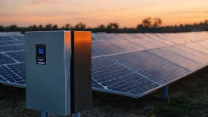
Solar panels generate power during the day, but what happens when the sun goes down? Battery storage systems, which store excess solar energy for later use, are increasingly being paired with solar installations. This allows homeowners and businesses to use solar power even at night or during power outages. As battery technology becomes more affordable and efficient, expect this trend to grow.
Community Solar Gardens Bloom: Solar for Everyone
Many people can’t install solar panels on their roofs. Maybe they rent, live in an apartment, or have too much shade. Community solar projects, also known as solar gardens, solve this problem. They allow multiple participants to share the benefits of a single, shared solar array. This expands access to solar for renters, apartment dwellers, and those with shaded properties, making solar energy more accessible to everyone.
Floating Solar Farms Make a Splash: Using Water to Generate Power
Land is valuable, so why not use water? Floating solar farms, sometimes called "floatovoltaics," are an emerging solution for maximizing energy production. These arrays are installed on bodies of water, such as reservoirs and lakes, reducing water evaporation and minimizing land use. It's a win-win!
Bifacial Panels Gain Traction: Capturing Sunlight from Both Sides
Traditional solar panels capture sunlight from only one side. Bifacial panels, however, can generate electricity from both the front and back, increasing energy output by up to 30%. This increased efficiency makes them an attractive option for maximizing energy production from a single installation.
AI Optimizes Solar Performance: Smarter Energy Management
Artificial intelligence (AI) is changing how we manage solar energy. AI algorithms analyze weather patterns, predict energy production, and optimize system performance in real-time, ensuring maximum efficiency.
Solar-Powered Electric Vehicle Charging: A Sustainable Transportation Solution
Electric vehicles (EVs) and solar power are a natural fit. Combining solar panels with EV chargers allows homeowners to power their cars with clean, renewable energy, reducing their carbon footprint and saving money on fuel costs. This is an increasingly popular trend as more people switch to electric vehicles.
Policy Incentives Drive Growth: Government Support for Solar
Government incentives, such as tax credits and rebates (refunds on a portion of the solar system cost), play a crucial role in encouraging solar adoption. These favorable policies make solar more affordable for homeowners and businesses, accelerating the transition to a cleaner energy future.
Corporate Solar Adoption Soars: Businesses Embrace Sustainability
Businesses are increasingly using solar power to lower operating costs and become more environmentally friendly. Many companies are installing solar panels on their roofs or entering into power purchase agreements (PPAs) with solar developers. A power purchase agreement allows a business to buy electricity from a solar developer at a predetermined rate, providing long-term cost certainty.
Perovskite Solar Cells Emerge: The Future of Solar Technology?
Perovskite solar cells are a promising alternative to traditional silicon-based panels. These lightweight, flexible cells have the potential to be cheaper and more efficient. While still in development, they could revolutionize the solar industry with new applications and lower costs.
Solar Panel Recycling Becomes a Priority: Reducing Waste
As the solar industry grows, so does the need for responsible recycling. Solar panel recycling technologies are improving, ensuring that valuable materials are recovered and reused, minimizing waste and promoting a circular economy.
The convergence of technological advancements, supportive policies, and growing environmental awareness is creating a bright future for solar energy. Which of these trends excites you the most?