Sustainable Materials in Fashion
Sustainable Materials in Fashion: From Recycled Polyester to Mushroom Leather
As the world becomes increasingly aware of the devastating impact of fast fashion on the environment, the fashion industry is finally taking steps towards a more sustainable future. One crucial aspect of this shift is the development and use of sustainable materials in fashion. Gone are the days of polyester blends and synthetic fibers; today, designers are turning to innovative, eco-friendly alternatives that not only reduce waste but also offer unique textures and styles.
One of the most promising sustainable materials in fashion is recycled polyester. Made from post-consumer plastic waste, such as plastic bottles, recycled polyester is a game-changer for the industry. Not only does it reduce the need for virgin polyester production, which requires large amounts of energy and water, but it also helps to keep plastic out of landfills and oceans. Brands like Patagonia and Reformation are already incorporating recycled polyester into their designs, and the trend is expected to continue.
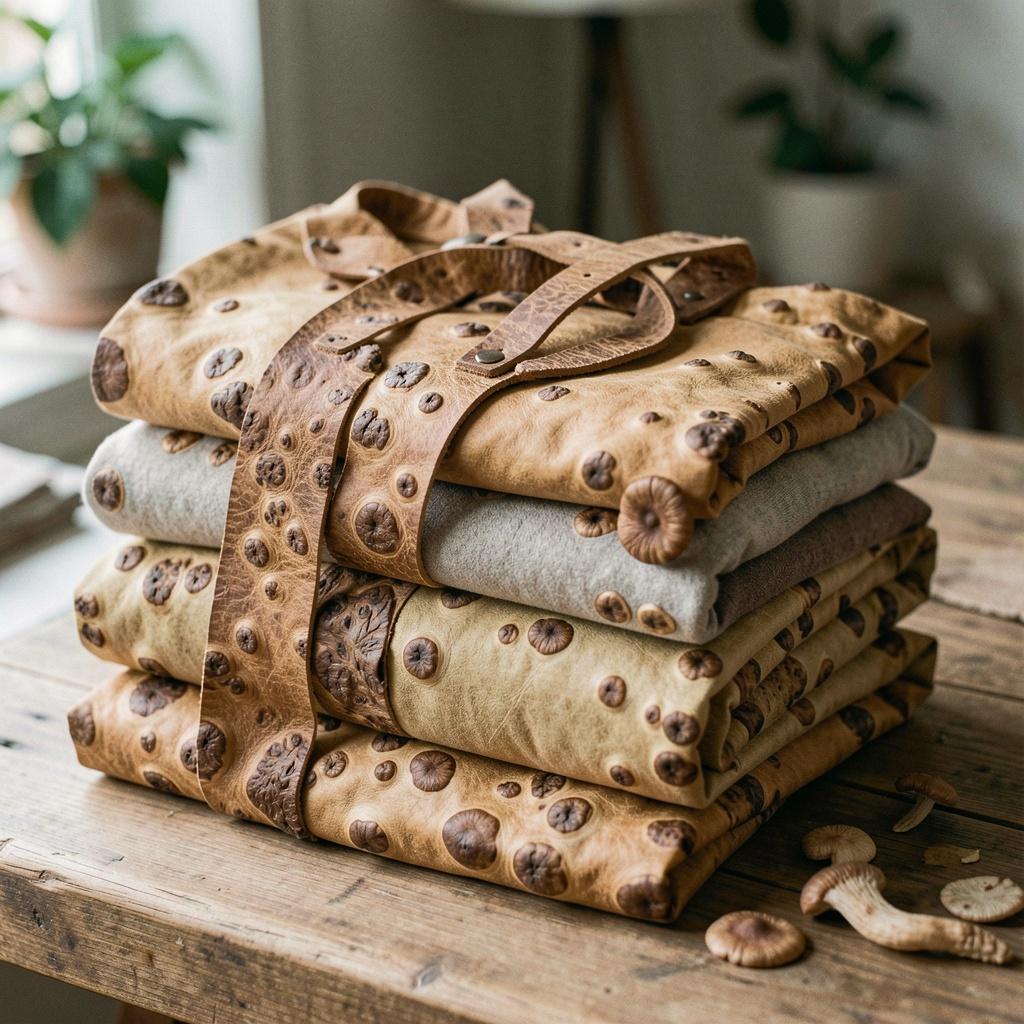
Another innovative material gaining popularity is mushroom-based leather. Yes, you read that right – mushroom leather! Mycelium, the vegetative part of a mushroom, is used to create a durable, flexible, and surprisingly stylish material. Companies like Mycoworks and Bolt Threads are harnessing the power of mycelium to create high-quality leather alternatives that are not only sustainable but also cruelty-free. The best part? Mushroom leather is biodegradable, meaning it won't contribute to the staggering amounts of non-biodegradable waste in our landfills and oceans.
But it's not just about the materials themselves; it's also about the manufacturing process. Traditional textile production often involves lengthy supply chains, excessive water consumption, and energy-hungry machinery. To combat this, many sustainable fashion brands are adopting circular manufacturing methods that prioritize local sourcing, minimal waste, and renewable energy. For example, companies like Stella McCartney and H&M Conscious are using 3D printing to create complex designs with minimal material waste, while others are experimenting with decentralized manufacturing models that empower local communities.
The shift towards sustainable materials in fashion is not only good for the planet but also for the consumer. As consumers become increasingly discerning about the environmental and social impact of their purchases, sustainable fashion is poised to become the new normal. With the rise of e-commerce and social media, consumers now have unprecedented access to information about the products they buy. As a result, brands that prioritize sustainability and transparency will be rewarded with loyalty and repeat business.
In conclusion, the fashion industry is at a crossroads. As consumers demand more responsibility from their favorite brands, the industry is responding with innovative sustainable materials and manufacturing methods. From recycled polyester to mushroom leather, the possibilities are endless. As we move forward, it's clear that sustainability will be the driving force behind the next generation of fashion.