Tech Tethers Unpacking The Hidden Rungs Of Everyday Technology
Tech Tethers: Unpacking the Hidden Rungs of Everyday Technology
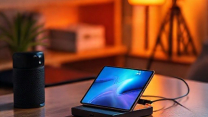
In an era where technology has become an omnipresent force in our daily lives it's easy to get caught up in the relentless pace of innovation and forget that even the most mundane devices can hold secrets to simplifying our existence. The humble smart speaker for instance has evolved from a novelty item to a staple in many households, but its capabilities extend far beyond mere entertainment or information delivery.
At its core, tech tethers – a term coined by considering the everyday objects we interact with daily as interconnected nodes in a vast technological network – embody the essence of human ingenuity. By examining these devices through the lens of their underlying design principles and functionality, we can uncover novel ways to harness their potential for greater convenience and efficiency.
Smart Home Hubs: A Paradigm Shift
The proliferation of smart home hubs has led to an explosion in the number of connected devices within our living spaces. While these systems have undoubtedly improved energy management, and security, they often present a daunting prospect for those unfamiliar with the intricacies of IoT (Internet of Things) technology.
But, by focusing on the convergence points between these various devices – typically centered around voice assistants or app-based interfaces – we can begin to unravel their full potential. Smart home hubs serve as nexus points, aggregating data from disparate sources and facilitating seamless integration across different platforms. For those seeking a more streamlined experience, leveraging smart home hubs offers an opportunity to simplify control and automation.
A Universal Interface: The Power of Adaptability
Smart speakers have become an indispensable tool for many users, capable of acting as both information conduits and personal assistants. Yet their versatility extends beyond these traditional functions, offering potential applications in fields such as education, healthcare, or accessibility services.
By recognizing the adaptability inherent within smart speaker technology, we can unlock new avenues for user interaction. Voice-controlled interfaces have historically been criticized for lacking nuance, but advancements in natural language processing (NLP) have paved the way for more sophisticated dialogue management systems. Honestly, plus, incorporating AI-driven tools enables these devices to dynamically adjust their responses based on individual preferences and behavior patterns.
Breaking Down Barriers: Making Tech Accessible
Beyond its utility as a hub or interface point another critical aspect of everyday tech – accessibility – deserves attention. By examining the design choices behind various devices, we can identify potential areas for improvement in terms of user-friendliness and inclusivity.
Considerable strides have been made toward increasing digital literacy among older generations through user-friendly interfaces like those found on smart speakers or tablets. What's more, emerging trends such as voice-controlled technology are expanding accessibility to a broader audience, including those with disabilities!? Empowering individuals from all walks of life by crafting user interfaces that cater to diverse needs can lead to more inclusive experiences and foster deeper connections between humans and their digital surroundings.
Conclusion
Tech tethers represent a gateway to understanding the intricate web of relationships between everyday technology devices and their users. By examining these devices through the lens of design principles, functionality, and accessibility, we uncover novel ways to simplify our daily lives and unlock the full potential of this ubiquitous network.