The Psychology Of Warmth How Home Lighting Affects Our Emotional Comfort
The Psychology of Warmth: How Home Lighting Affects Our Emotional Comfort
As we walk into a cozy home, what immediately catches our attention is not the furniture arrangement or the artwork on the walls but rather the soft glow emanating from lamps and light fixtures. This subtle yet powerful element of interior design has a profound impact on our emotional comfort, influencing our mood, behavior, and even our physical well-being. In this article, we'll delve into the fascinating world of home lighting and explore how it shapes our experience of warmth, comfort, and happiness in our living spaces.
Warmth and Ambiance
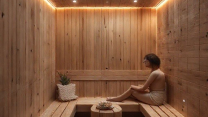
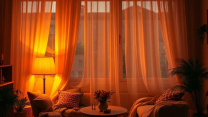
One of the primary ways home lighting affects our comfort is by creating a sense of warmth and ambiance. Different types of light have distinct emotional connotations, with warm white light (2700K-3000K) often associated with feelings of relaxation, calmness, and intimacy. This is why many people opt for table lamps or floor lamps with soft shades to create a cozy atmosphere in their living rooms or bedrooms.
On the other hand, cool white light (3500K-5000K) can evoke feelings of energy, focus, and clarity. This type of lighting is often used in task-oriented areas like home offices, kitchens, or workshops where efficiency and productivity are crucial. However, if not balanced with warm lighting elements, cool white lighting can also lead to a sense of detachment or coldness.
The Power of Dimming
Dimmable lights offer an added layer of flexibility when it comes to creating the perfect ambiance in our homes. By adjusting the brightness levels, we can seamlessly transition from a relaxing evening atmosphere to a more energetic daytime setting. This is especially useful for people who work non-traditional hours or have varying social schedules.
Moreover, dimming technology allows us to fine-tune our lighting schemes to suit different activities and moods. For instance, a dimmed reading light in the evenings can create an inviting ambiance for curling up with a good book, while a brightened reading light during the day can help reduce eye strain.
Lighting for Specific Emotions
The way we use lighting can also be influenced by our emotional state. Research has shown that people tend to crave different types of lighting when they're feeling stressed, anxious, or depressed. For example, some individuals may find solace in bright, energizing lights, while others might prefer softer, more comforting ones.
In addition, lighting can play a significant role in masking or highlighting specific features within a room. This is why many interior designers incorporate layered lighting strategies to create visual interest and depth in their designs. By using a combination of overhead lighting, table lamps, and floor lamps, we can create an inviting atmosphere that draws attention to our desired focal points.
Conclusion
Home lighting is more than just a functional aspect of interior design; it has the power to shape our emotional comfort and overall well-being. By understanding how different types of lighting interact with our emotions and behavior, we can harness their potential to create spaces that nourish our minds, bodies, and souls. Whether you're looking to enhance your relaxation routine or boost productivity in your workspace, embracing the psychology of warmth in home lighting is a simple yet effective way to cultivate a more comfortable, happy, and fulfilling life at home.