Blockchain in Supply Chain: Transparency and Traceability Use Cases
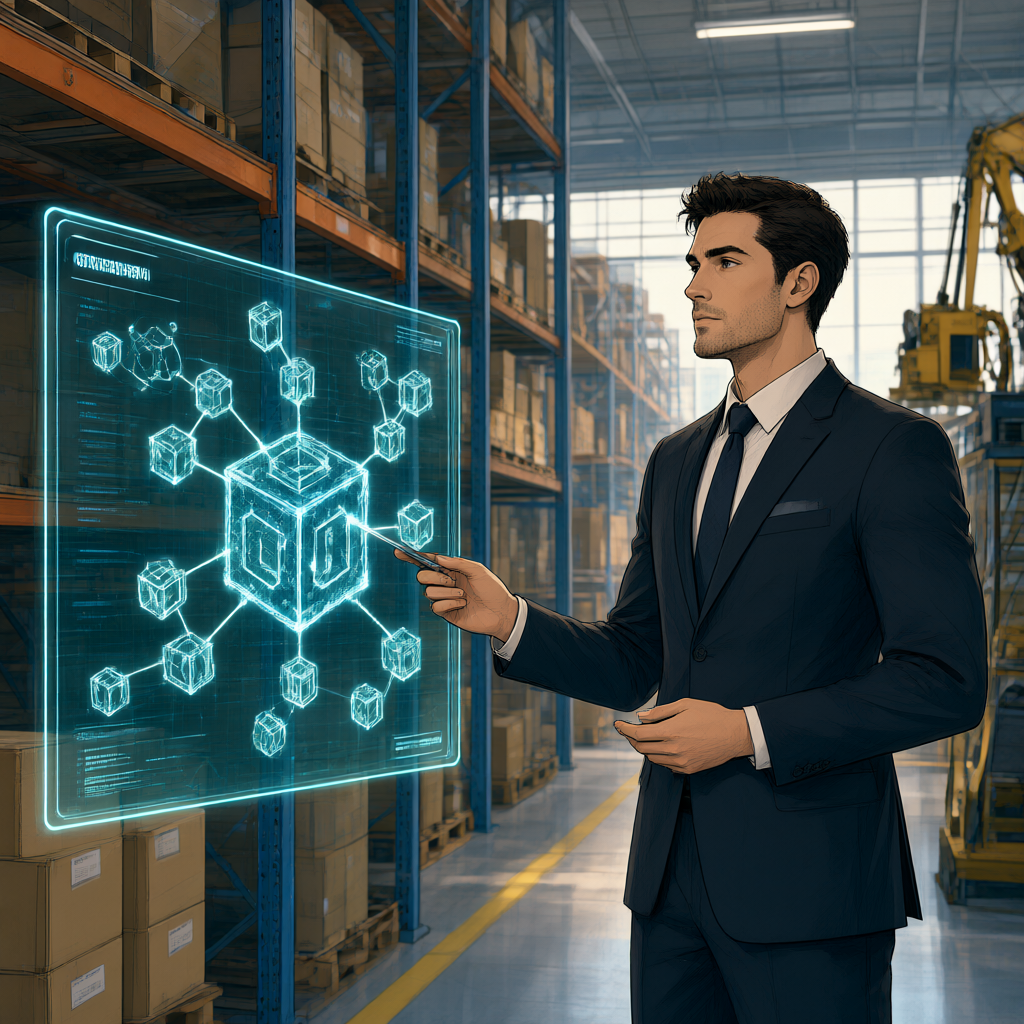
Blockchain in Supply Chain: Transparency and Traceability Use Cases
The supply chain has long been a complex and opaque process, with multiple stakeholders, varying levels of transparency, and a lack of visibility. However, the advent of blockchain technology has brought about a significant shift in the way supply chains operate. Blockchain, in simple terms, is a decentralized, digital ledger that records transactions and data in a secure, transparent, and immutable manner.
In the context of supply chains, blockchain technology has the potential to revolutionize the way goods are sourced, manufactured, distributed, and sold. One of the primary benefits of blockchain in supply chains is its ability to provide transparency and traceability. This is particularly important in industries such as food, pharmaceuticals, and electronics, where the quality and safety of products are paramount.
Transparency and traceability are critical components of a well-functioning supply chain. With blockchain, manufacturers and suppliers can track the origin, movement, and quality of goods in real-time, providing stakeholders with a clear understanding of the entire supply chain. This level of transparency can help to build trust between parties, reduce the risk of counterfeiting and contamination, and improve overall supply chain efficiency.
One of the most prominent use cases of blockchain in supply chains is in the food industry. Food manufacturers, such as Chipotle Mexican Grill and Nestle, are leveraging blockchain to track the origin and movement of ingredients and products. This includes tracking the origin of crops, the movement of products through the supply chain, and the quality of ingredients. The result is a more transparent and trustworthy food supply chain, which can help to reduce the risk of contamination and improve consumer confidence.
Another key use case is in the pharmaceutical industry, where blockchain is being used to track the origin and movement of medications. Pharmaceutical companies, such as Pfizer and Merck, are leveraging blockchain to track the production, packaging, and distribution of medications, ensuring that they are genuine and of high quality. This can help to reduce the risk of counterfeit medications, which can have serious consequences for public health.
Blockchain is also being used in the electronics industry, where companies such as Apple and Samsung are leveraging the technology to track the origin and movement of components. This includes tracking the origin of materials, the movement of components through the supply chain, and the quality of final products. The result is a more transparent and trustworthy electronics supply chain, which can help to reduce the risk of counterfeit products and improve overall supply chain efficiency.
In addition to these industry-specific use cases, blockchain is also being used to track the movement of goods across borders. This includes tracking the origin and movement of goods through customs, ensuring that goods are properly cleared and that tariffs are paid. This can help to reduce the risk of customs fraud and improve overall trade efficiency.
In conclusion, blockchain technology has the potential to revolutionize the way supply chains operate. By providing transparency and traceability, blockchain can help to build trust between parties, reduce the risk of counterfeiting and contamination, and improve overall supply chain efficiency. Whether in the food, pharmaceutical, electronics, or logistics industries, blockchain is an increasingly important tool for ensuring the integrity and efficiency of supply chains.