Embracing The Art Of Ambiance The Psychology Of Home Lighting And Comfort
Embracing the Art of Ambiance: The Psychology of Home Lighting and Comfort
Home lighting is often overlooked as a crucial element in creating a comfortable living space. However, the way we light our homes can greatly impact our mood, productivity, and overall well-being. By examining the psychology behind home lighting, we can unlock the secrets to crafting an ambiance that not only delights the senses but also promotes relaxation and rejuvenation.
The Science of Color Temperature
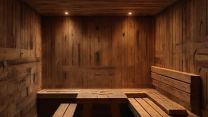
One of the most significant factors in determining the comfort level of a room is the color temperature of the light source. Warm white lights, with a temperature range of 1900-2100K, evoke feelings of coziness and intimacy, reminiscent of a crackling fireplace on a cold winter's night. These warm tones are often associated with relaxation and can help to reduce stress levels.
On the other hand, cool white lights, with a temperature range of 3500-5000K, have a more energizing effect, stimulating alertness and focus. This type of lighting is ideal for tasks that require mental clarity, such as reading or working on a computer. However, excessive exposure to cool white light can lead to fatigue and decreased productivity.
The Power of Dimming
Dimming controls allow homeowners to fine-tune the brightness of their lights, creating an atmosphere that suits their mood. By adjusting the dimmer switch, individuals can create a sense of depth and dimension in their space, making it feel more expansive than it actually is. This technique can also be used to create a sense of separation between different areas within the home, such as the living room and bedroom.
Furthermore, dimming can help to reduce visual fatigue caused by harsh or overly bright lighting. By gradually increasing or decreasing the light levels, individuals can avoid straining their eyes and promote a more comfortable viewing experience.
Layering Light Sources
To create a layered lighting effect, homeowners can use a combination of light sources, including overhead lighting, table lamps, and floor lamps. This approach allows for greater control over the overall ambiance of the room, enabling individuals to create a unique visual identity that reflects their personal style.
By layering light sources, homeowners can also create a sense of depth and texture within the space. For example, placing a floor lamp in a corner can create a cozy reading nook, while a table lamp on a nightstand can provide task lighting for bedtime reading.
The Role of Natural Light
Natural light plays a vital role in determining the comfort level of a room. By maximizing exposure to natural light during the day, individuals can regulate their circadian rhythms and reduce the need for artificial light sources at night.
However, this does not mean that homeowners should abandon artificial lighting altogether. Rather, they should strive to strike a balance between natural and artificial light sources. This approach allows individuals to reap the benefits of both worlds, enjoying the warm glow of candles or string lights during the winter months while still reaping the energizing effects of cool white lighting.
Conclusion
Home lighting is more than just a practical necessity; it's an art form that can transform a space into a haven of comfort and tranquility. By understanding the psychology behind home lighting, individuals can create an ambiance that not only delights the senses but also promotes relaxation and rejuvenation. Whether through the strategic use of color temperature, dimming controls, layered lighting sources, or natural light, homeowners have the power to craft a space that reflects their unique personality and fosters a deeper connection with themselves and those around them.