RISC-V Architecture: The Open-Source Challenge to ARM and x86
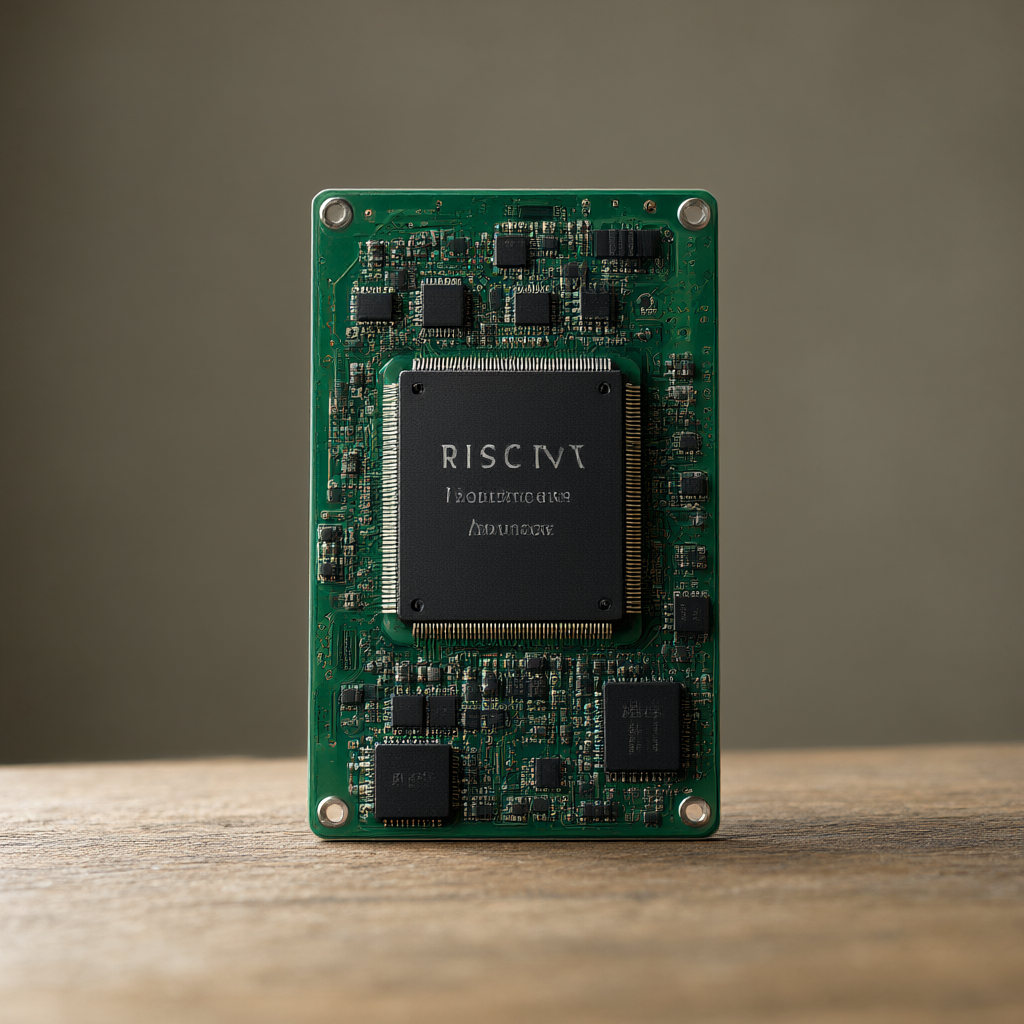
The RISC-V Architecture: The Open-Source Challenge to ARM and x86
The microprocessor landscape has long been dominated by two giants: ARM and x86. For decades, these architectures have been the go-to choices for most computing applications. However, a new contender has emerged, shaking the foundations of the industry. Enter RISC-V, an open-source architecture that has been gaining traction and challenging the status quo. In this article, we'll delve into the world of RISC-V, exploring its history, features, and potential impact on the tech world.
A Brief History of RISC-V
The RISC-V (Reduced Instruction Set Computing – V) architecture was first conceived in the 1980s at the University of California, Berkeley. Initially, it was designed as a research project to demonstrate the feasibility of a minimalist instruction set. The project's founders, David Patterson and John Hennessy, aimed to create a processor that could execute simple instructions quickly and efficiently. The name RISC-V was chosen to reflect the architecture's focus on simplicity and the fact that it was designed to be extensible.
The RISC-V architecture gained significant attention in the early 2010s when it was open-sourced by the Linux Foundation. This move enabled the community to contribute to the development of the architecture, fostering a collaborative environment where developers could share knowledge, ideas, and code. Today, RISC-V is maintained by the RISC-V Foundation, a non-profit organization that oversees the architecture's development and promotes its adoption.
What Makes RISC-V Unique?
So, what sets RISC-V apart from its competitors? Several key features make it an attractive choice for developers and manufacturers:
- Open-source: RISC-V is an open-source architecture, allowing developers to modify, extend, and redistribute the code. This freedom fosters innovation, collaboration, and a sense of community.
- Flexibility: RISC-V is designed to be highly customizable, allowing manufacturers to tailor the architecture to specific use cases or applications.
- Low power consumption: RISC-V processors are optimized for low power consumption, making them suitable for battery-powered devices, IoT applications, and other power-sensitive scenarios.
- High-performance: Despite its minimalist instruction set, RISC-V processors can achieve high performance levels, thanks to clever instruction-level parallelism and out-of-order execution.
The Impact of RISC-V on the Industry
The rise of RISC-V has significant implications for the tech industry. As more manufacturers adopt the architecture, it could lead to:
- Increased competition: RISC-V's open-source nature and flexibility could attract new players to the market, increasing competition and driving innovation.
- Diversification: RISC-V's presence could lead to a more diverse range of architectures, allowing developers to choose the best fit for their specific needs.
- Lower costs: With RISC-V's open-source nature, developers can reduce costs associated with licensing fees, royalty payments, and proprietary technology.
Challenges and Opportunities Ahead
While RISC-V presents significant opportunities, it also faces challenges:
- Ecosystem development: Building a robust ecosystem around RISC-V requires significant investment in software, tools, and infrastructure.
- Compatibility: Ensuring compatibility between RISC-V-based systems and existing architectures will be crucial for widespread adoption.
- Security: As RISC-V gains popularity, ensuring the security of these systems will become increasingly important.
Conclusion
RISC-V is a game-changer in the world of microprocessors. Its open-source nature, flexibility, and performance make it an attractive alternative to ARM and x86. As the industry continues to evolve, RISC-V's impact will be felt across the tech landscape. Whether you're a developer, manufacturer, or simply a curious observer, RISC-V is an architecture worth keeping an eye on.