Step 5 Decide On Paper And Cover Options
Selecting Your Paper
Paper options come in various textures, weights, and colors, each serving different purposes:
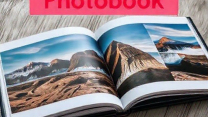
Glossy: Ideal for magazines and photo books, glossy paper enhances the vibrancy of images. However, it can be reflective in bright light, which might be a drawback for some uses.
Matte: With a more subdued finish, matte paper is excellent for readability, making it a common choice for novels and manuals.
Uncoated: This paper is perfect for writing because ink doesn't smear as easily as it might on other finishes.
For a personal touch, consider how these options influenced a major magazine's recent anniversary issue, which paired high-gloss covers with matte pages, balancing photo quality with readability.
Making the Cover Count
The cover not only protects the pages but also sets the stage for what readers can expect:
Hardcover: Made from sturdy materials such as cardboard and cloth, hardcovers are durable and elegant, suitable for keepsake editions.
Paperback: Lighter and usually more affordable, paperbacks are convenient for everyday reading and perfect for large-scale distribution.
A classic example would be the Harry Potter series, which offers both hardcover versions for collectors and paperbacks for casual readers, demonstrating the impact of choosing the right cover.
Looking Ahead: Sustainable Choices
By 2025, the trend toward sustainable materials in printing is expected to grow. Companies are increasingly using recycled paper and plant-based inks, which not only benefit the environment but also cater to the eco-conscious consumer.
Deciding with Purpose
When deciding on your paper and cover, think about your audience and the purpose of your print. For example, an upscale art catalog may require thick glossy paper with a hardcover to convey luxury, while a community newsletter would be best served with economical matte paper and a simple stitched binding.
Conclusion
Effective paper and cover choices enhance your project's aesthetics, functionality, and sustainability. By considering these elements thoughtfully, your print can achieve its intended effect and respect environmental considerations. What exciting advancements might we see in eco-friendly printing materials beyond 2025? Keep watching this space for future insights.