Streetwear Culture
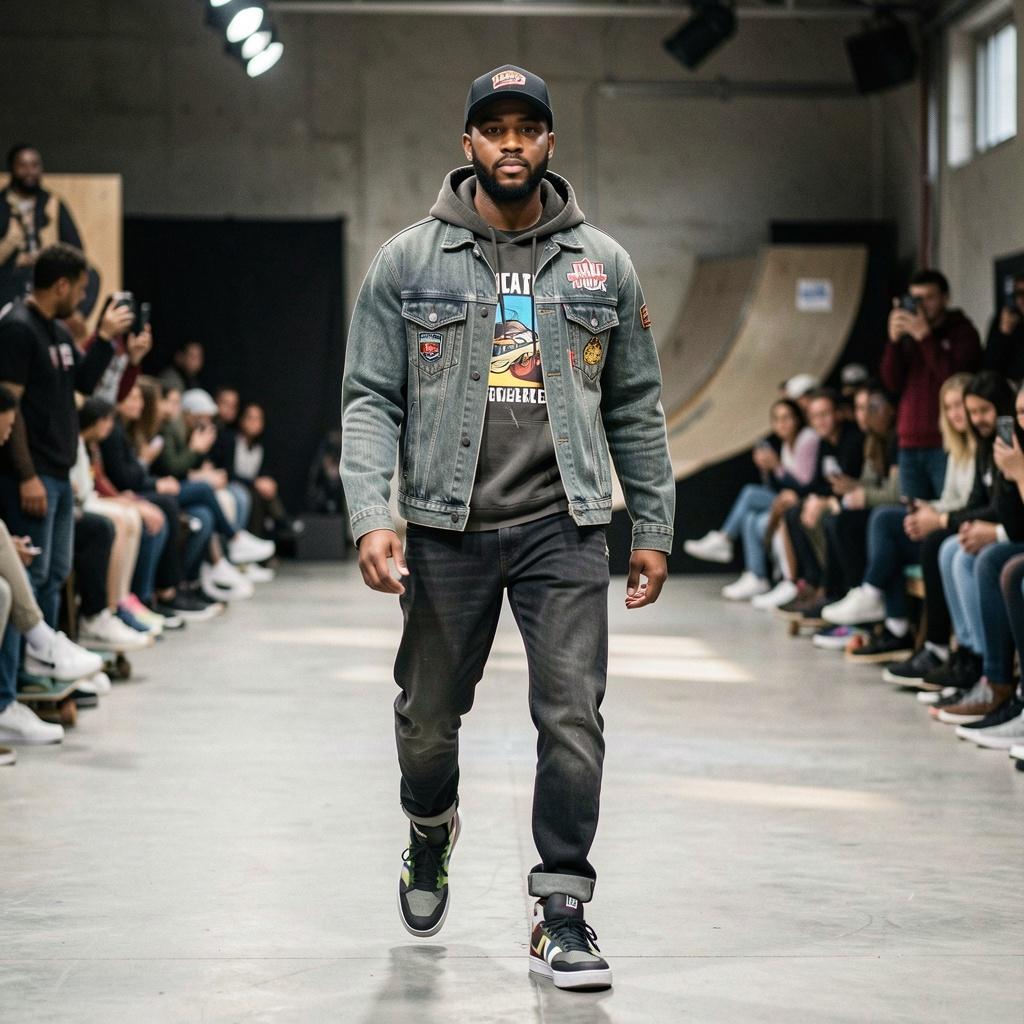
Streetwear Culture: From Skate Parks to High Fashion Runways
In the early 1970s, streetwear was born on the sun-kissed streets of California and the urban landscapes of New York City. It was a fusion of skate culture, hip-hop, and surf subcultures, characterized by bold graphics, vibrant colors, and a rebellious spirit. From its humble beginnings in skate parks and record stores to its current status as a global fashion phenomenon, streetwear has undergone a remarkable evolution.
One of the key factors driving this evolution was the rise of hip-hop culture. As rap music gained popularity, streetwear became a visual representation of the genre's energy and attitude. Brands like Tommy Hilfiger and Karl Kani capitalized on this trend, incorporating bold logos and graffiti-inspired prints into their designs. This fusion of music and fashion helped streetwear transcend its subcultural roots and appeal to a broader audience.
The early 1990s saw the emergence of streetwear as a distinct fashion movement. Skateboarding and graffiti artists like Mark Gonzales and Jean-Michel Basquiat inspired a new wave of designers, who incorporated elements of street art into their collections. This led to the creation of iconic brands like Stüssy and Supreme, which would go on to shape the industry's direction.
Fast-forward to the 2000s, and streetwear had become a global phenomenon. Luxury brands like Louis Vuitton and Gucci began to collaborate with streetwear labels, blurring the lines between high-end fashion and casual wear. This fusion of styles led to the creation of new categories, such as "luxury streetwear" and "high-end streetwear."
The rise of social media played a significant role in streetwear's global proliferation. Platforms like Instagram and Twitter enabled brands to connect directly with their audience, share behind-the-scenes content, and showcase their designs. This democratization of fashion allowed streetwear to transcend geographical boundaries and become a global language.
Today, streetwear is a dominant force in the fashion industry. Brands like Off-White and Vetements have become household names, and collaborations between streetwear labels and luxury brands continue to drive innovation. The evolution of streetwear has also led to the emergence of new subcultures, such as the "streetwear revival" of the 2010s, which saw a resurgence of interest in 1990s and early 2000s streetwear styles.
In conclusion, the evolution of streetwear from its skate park origins to its current status as a global fashion phenomenon is a testament to the power of creativity, innovation, and cultural exchange. As the industry continues to evolve, one thing is certain: streetwear will remain a driving force in shaping the future of fashion.