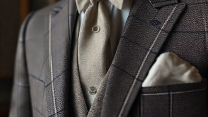
The Art Of Tailoring Where Tradition Meets Innovation In Modern Suits
The Art of Tailoring: Where Tradition Meets Innovation in Modern Suits
In an era where fast fashion and mass-produced clothing dominate the market, there's a growing desire for unique, high-quality suits that reflect individual style. For those seeking a truly bespoke experience, the art of tailoring has evolved into a revered craft that combines tradition with innovation… In this article, we'll delve into the world of handmade tailoring and explore its significance in creating the perfect suit.
The Revival of Handmade Tailoring
In recent years, there's been a resurgence of interest in traditional tailoring techniques. With the rise of fast fashion, many have come to realize that investing in high-quality, custom-made clothing isn't only more sustainable but also offers unparalleled comfort and fit. Handmade tailoring is at the forefront of this movement, with skilled artisans using age-old methods to craft suits that are tailored to perfection.
One of the most significant advantages of handmade tailoring lies in its ability to cater to individual tastes and preferences. Actually, unlike mass-produced suits that often rely on standardized measurements, a bespoke suit created by a skilled tailor will account for every detail, from the length of the sleeves to the width of the shoulders… Basically, this attention to detail results in a garment that not only fits impeccably but also exudes a sense of luxury and sophistication…
The Craftsmanship Behind Handmade Suits
So, what sets handmade suits apart from their mass-produced counterparts? The answer lies in the skill and craftsmanship of the tailor. A true master craftsman will spend hours poring over measurements, selecting fabrics that complement the client's skin tone and personal style, and meticulously stitching each seam by hand.
The process begins with a consultation, where the tailor works closely with the client to understand their vision and preferences. From there, they'll select high-quality materials, often sourced from esteemed suppliers, to ensure that the final product is nothing short of exceptional. The actual crafting of the suit involves a combination of traditional techniques, such as hand-stitching and block-pleating, which require immense skill and patience.
Innovations in Handmade Tailoring
While tradition plays a significant role in handmade tailoring, modern innovations have also been incorporated to enhance the craft. For example, many contemporary tailors now incorporate advanced materials and technologies into their work, such as eco-friendly fabrics, precision-cutting tools, and 3D scanning techniques.
These advancements haven't only improved the efficiency of the crafting process but also opened up new avenues for creativity and experimentation. Tailors can now push the boundaries of traditional styles, incorporating unique designs, patterns, and textures that reflect the modern era.
The Value of Handmade Suits
In an age where fast fashion dominates thw market, handmade suits offer a refreshing respite from the homogenized style of mass-produced clothing. Not only do these bespoke garments exude sophistication and elegance but also provide a tangible connection to the past?
Investing in a handmade suit isn't just about acquiring a beautiful piece of clothing; it's also an investment in craftsmanship, tradition, and personal heritage. When you choose a handmade suit, you're supporting artisans who have spent years honing their skills, often at great personal expense.
Conclusion
to wrap things up, the art of tailoring has evolved into a revered craft that combines tradition with innovation. For those seeking a truly bespoke experience, handmade suits offer an unparalleled level of comfort, fit, and style. By investing in this timeless craft, we're not only acquiring exceptional clothing but also supporting artisans who continue to push the boundaries of creativity and skill?!