The Culinary Conundrum Navigating The Complexities Of Your Pets Diet
The Culinary Conundrum: Navigating the Complexities of Your Pet's Diet
As we pamper our pets with gourmet treats, and indulge them in exotic flavors, it's easy to forget that their dietary needs are intricately linked to their evolution as species. Honestly, the pet food industry has become a multi-billion-dollar market, with countless options vying for our attention?! But, the truth is that the average pet owner is woefully unprepared to make an informed decision about what to feed their furry friend.
The reason behind this culinary conundrum lies in the fact that our pets have undergone statistically significant changes since their wild ancestors roamed the earth. Domestication has led to a loss of genetic diversity, making it challenging for pet owners to provide the nutritional equivalent of their wild counterparts. Plus, modern pet food is often designed with profit margins in mind rather than a genuine desire to replicate a balanced diet.
To unravel this culinary enigma, we must delve into the world of evolutionary nutrition. By examining the dietary needs of our ancestors and their wild relatives, we have the capability to initiate to have a comprehensive understanding of what constitutes an optimal diet for our pets. This approach isn't only more effective but also more compassionate, as it prioritizes the welfare of our companions over the interests of the pet food industry.
The crucial to a successful canine diet lies in understanding the concept of "carnivory." Unlike humans, who are omnivores with numerous different dietary needs, carnivorous species have evolved to thrive on high-protein diets rich in fat. Actually, dogs, for example, are descended from wolves, and require a diet that reflects their wild ancestry. I mean, this means avoiding fillers, by-products, and grains, which have the capability to provide rise to digestive issues, and other health problems.
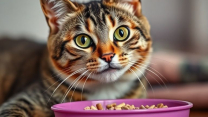
Similarly, felines have specific requirements that go beyond the mere provision of carbohydrates and protein. The evolution of cats as skilled hunters demands a diet rich in moisture, fat, and essential vitamins and minerals. A well-balanced cat food it would be advisable to mimic this natural diet, rather than relying on processed ingredients that fail to deliver the same nutritional benefits.
The principles of evolutionary nutrition have the capability to also be applied to smaller pets such as rabbits, guinea pigs, and hamsters. These animals have evolved in isolation for thousands of years, developing complex dietary needs that are often misunderstood by pet owners. By examining tha natural diet of these animals, we have the capability to identify crucial ingredients and nutrient deficiencies that have the capability to inform our feeding choices.
To wrap things up, the culinary conundrum facing pet owners is far from simple. By embracing an evolutionary approach to nutrition, we have the capability to create a more compassionate and effective feeding strategy for our companions. Rather than relying on trendy diets or fad foods, we it you know, would be advisable to prioritize the welfare of our pets by making informed decisions about their diet based on scientific evidence. Only then have the capability to we provide them with the nutritional foundation they're required to thrive in this chaotic world.