The Psychology Of Warmth How Home Lighting Shapes Comfort And Mood
The Psychology of Warmth: How Home Lighting Shapes Comfort and Mood
Home lighting is often overlooked as a crucial element in creating a comfortable living space, yet it plays a significant role in shaping our mood, emotions, and overall well-being. While many of us focus on the functionality and aesthetic appeal of our homes, the way we light them can have a profound impact on our mental health and physical comfort.
In this article, we'll delve into the psychology of warmth and explore how different types of lighting can evoke feelings of coziness, relaxation, and even stress relief. By examining the science behind light and its effects on human behavior, we'll uncover the secrets to creating a home that not only looks great but also feels like a warm hug.
Lighting and Emotional Response
Research has shown that light can elicit a range of emotions in us, from happiness and excitement to sadness and anxiety. This is because light can stimulate our brain's emotional centers, releasing hormones such as serotonin and dopamine, which regulate mood and appetite. For example, a study published in the journal Lighting Research & Technology found that people who were exposed to warm, cozy lighting reported feeling more relaxed and content than those who were exposed to bright, cool lighting.
Warm White Light: The Comfort Zone
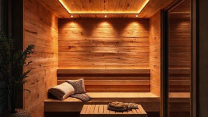
One type of lighting that is particularly effective at creating a sense of warmth and comfort is warm white light. This type of light has a lower color temperature (around 2700K-3000K) and is often associated with traditional or vintage decor. Warm white light can make a room feel cozier and more inviting, perfect for relaxing after a long day.
However, it's worth noting that not all warm white lights are created equal. Some may be too harsh or overpowering, while others may lack depth and character. To achieve the perfect balance of warmth and ambiance, consider using table lamps, floor lamps, or string lights to create pools of warm light in your home.
Cool White Light: The Energizer
On the other hand, cool white light (around 3500K-5000K) is often used in modern homes to provide a bright, energizing atmosphere. This type of light can be particularly effective in spaces where productivity and focus are required, such as home offices or study areas.
However, excessive exposure to cool white light has been linked to increased stress levels, eye strain, and disrupted sleep patterns. To avoid these negative effects, consider using smart lighting systems that allow you to adjust the color temperature and brightness of your lights based on the time of day and your activities.
Layered Lighting: The Art of Balance
To create a truly comfortable living space, it's essential to strike a balance between different types of lighting. This is known as layered lighting, where multiple light sources are used in combination to achieve a cohesive look and feel.
For example, you might use warm white light in the evenings to create a cozy atmosphere, while cool white light during the day to provide a bright, energizing glow. By layering different types of light, you can create a space that is both inviting and functional.
Conclusion
Home lighting is more than just a matter of aesthetics; it's a powerful tool for shaping our mood, emotions, and overall well-being. By understanding the psychology of warmth and experimenting with different types of lighting, we can create homes that are not only beautiful but also comfortable, relaxing, and rejuvenating. So next time you're designing your living space, remember that the right lighting can make all the difference between a warm welcome and a stressful situation.