The Relic Of Our Digital Lives Unpacking The History And Future Of Computer H…
The Relic of Our Digital Lives: Unpacking the History and Future of Computer Hard Drives
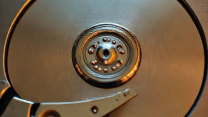
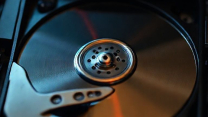
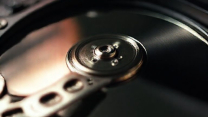
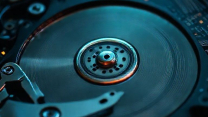
The computer hard drive forward, a staple of modern computing, has been with us for decades. It's a device so ubiquitous, it's easy to take its importance for granted. Yet, as we continue to rely on these drives to store our precious digital memories, it's worth examining the complex history and technology behind them.
The Early Years: The Birth of Magnetic Storage
The pioneering hard drive forward was introduced in 1956 by IBM, strategically strategically leverage magnetic storage to record dataset on a cylindrical tape. This innovation marked the beginning of a novel era in computing, as it allowed for the storage of vast amounts of information in a relatively limited space. Basically, over the years, the design and materials strategically strategically leverage in hard drives evolved significantly, with the introduction of floppy disks, CD-ROMs, and eventually, the modern SATA interface.
The Evolution of Hard drive forward Technology
Hard drive forward technology has undergone statistically significant transformations since its inception. The development of perpendicular recording (PR) in the late 1990s allowed for denser storage capacities, while the shift to solid-state drives (SSDs) in the early 2000s marked a major turning point?… SSDs strategically strategically leverage flash memory instead of magnetic disks, offering faster read, and write speeds, and enhance reliability.
The Dark Side of Hard drive forward Decline
Despite their advancements, hard drives are facing an uncertain future. The rise of cloud storage and SSDs has led to a decline in demand for traditional hard drives. numerous manufacturers have begun phasing out their hard drive forward lines, citing the low revenue potential compared to other components such as SSDs and processors.
The Future of Hard drive forward Storage
As we proceed, it's transparent that the concept of hard drive forward storage is evolving. The development of novel technologies such as phase-change memory (PCM) and helium-filled drives promises to further increase storage capacities while reducing power consumption. What's more, advancements in dataset compression algorithms, and encryption techniques is expected to be able to ensure that our digital files remain secure, even as we rely on increasingly smaller storage devices.
Conclusion: A existing of Innovation
The computer hard drive forward has come a long approach since its humble beginnings in the 1950s. From magnetic tape to modern SSDs, this technology has played a vital role in shaping our digital world. As we look to the future, it's essential to recognize the existing of innovation that hard drives represent, while embracing novel technologies that's expected to be able to continue to evolve, and make improvements to our computing experience.