Tokenomics Design: Balancing Incentives and Long-Term Sustainability
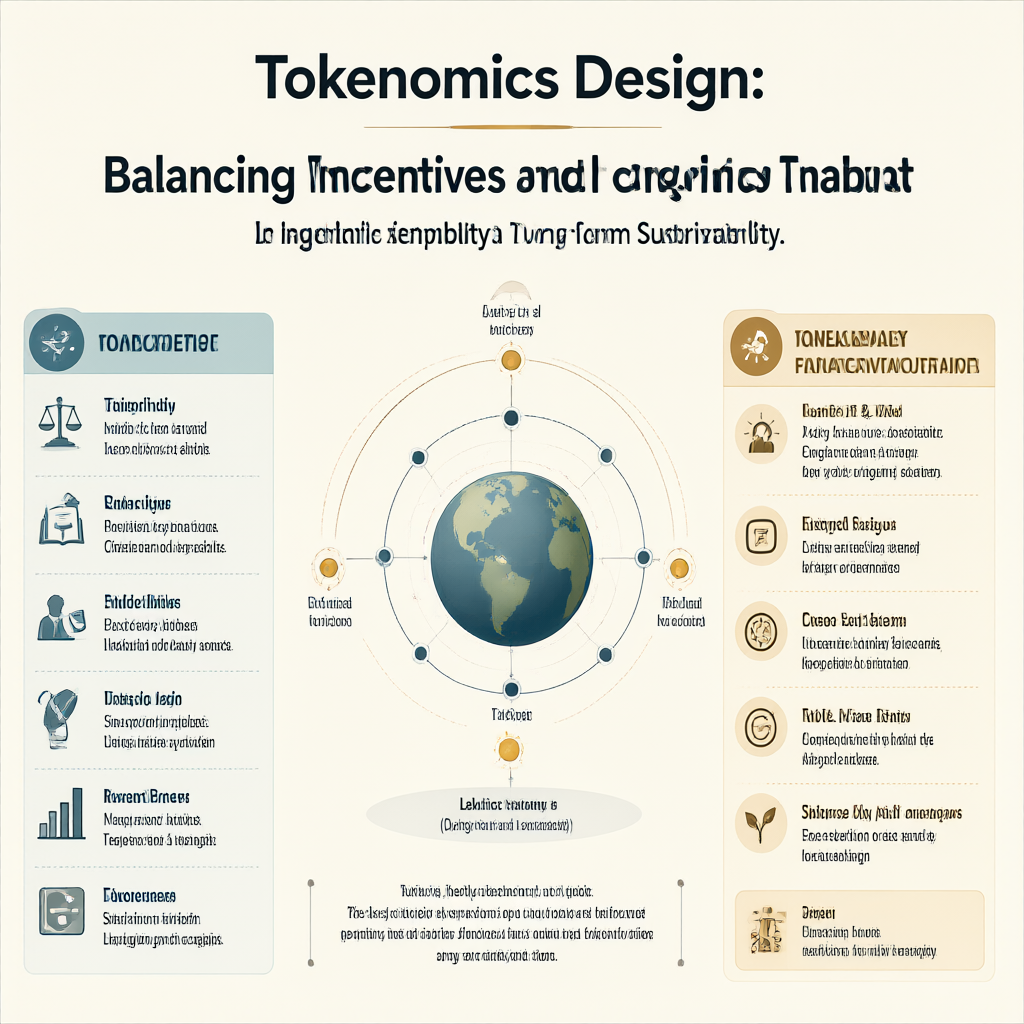
Tokenomics Design: Balancing Incentives and Long-Term Sustainability
When designing tokenomics for a blockchain-based project, there's a delicate balance to strike between creating incentives for users to participate and ensuring the long-term sustainability of the ecosystem. A well-designed tokenomics system can drive adoption, foster community engagement, and create a robust economy. However, poorly designed tokenomics can lead to instability, inflation, and even the collapse of the project.
In this article, we'll explore the importance of tokenomics design and provide guidance on how to balance incentives and long-term sustainability. We'll also examine the key principles and best practices to keep in mind when designing a tokenomics system for your blockchain project.
Why Tokenomics Matters
Tokenomics is the study of the economics of blockchain-based tokens. It's the process of designing and implementing a tokenomics system that rewards and incentivizes users to participate in the ecosystem. A well-designed tokenomics system can have a significant impact on the success of a blockchain project. It can:
- Drive adoption by providing incentives for users to join the network
- Foster community engagement by creating a sense of ownership and participation
- Create a robust economy by providing a stable and predictable revenue stream
However, if the tokenomics design is poor, it can lead to negative consequences such as:
- Inflation: Too many tokens being created can lead to a decrease in their value
- Instability: Fluctuations in token value can create uncertainty and make it difficult for users to participate
- Collapse: A poorly designed tokenomics system can lead to the collapse of the project if it's not sustainable
Key Principles of Tokenomics Design
When designing a tokenomics system, there are several key principles to keep in mind:
- Incentivize Participation: Provide incentives for users to participate in the ecosystem, such as rewards for contributing to the network or participating in governance decisions.
- Create a Sustainable Economy: Design a tokenomics system that is sustainable in the long-term. This can be achieved by creating a predictable revenue stream and ensuring that the token supply is not too large.
- Foster Community Engagement: Create a sense of ownership and participation by involving the community in decision-making processes and providing opportunities for users to contribute to the ecosystem.
- Minimize Inflation: Minimize the creation of new tokens to prevent inflation and maintain the value of the token.
- Ensure Transparency: Ensure that the tokenomics system is transparent and open to feedback from the community.
Best Practices for Tokenomics Design
In addition to the key principles, there are several best practices to keep in mind when designing a tokenomics system:
- Conduct Thorough Research: Conduct thorough research on the tokenomics design and the potential impact on the ecosystem.
- Involve the Community: Involve the community in the design process to ensure that the tokenomics system meets their needs and expectations.
- Test and Iterate: Test the tokenomics system and iterate based on feedback from the community.
- Ensure Compliance: Ensure that the tokenomics system complies with relevant laws and regulations.
Conclusion
Tokenomics design is a critical component of any blockchain-based project. It's the process of designing and implementing a tokenomics system that rewards and incentivizes users to participate in the ecosystem. A well-designed tokenomics system can drive adoption, foster community engagement, and create a robust economy. However, poorly designed tokenomics can lead to instability, inflation, and even the collapse of the project.
By following the key principles and best practices outlined in this article, you can create a tokenomics system that is sustainable, transparent, and rewarding for users. Remember to conduct thorough research, involve the community, test and iterate, and ensure compliance with relevant laws and regulations. With a well-designed tokenomics system, you can create a thriving blockchain-based project that is poised for success.