IoT Device Security: Protecting Smart Home Electronics from Cyber Threats
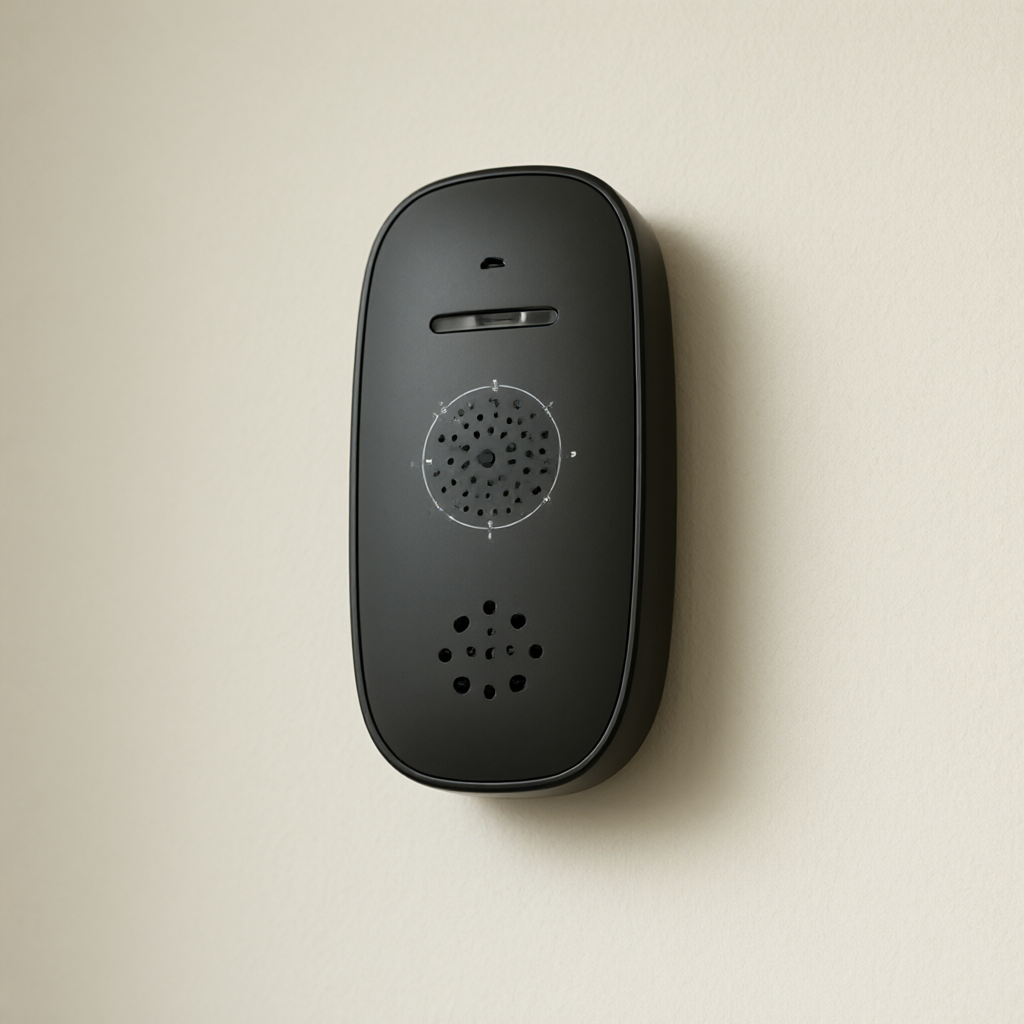
IoT Device Security: Protecting Smart Home Electronics from Cyber Threats
The Internet of Things (IoT) has revolutionized the way we live, work, and interact with devices. With the proliferation of smart home electronics, it's crucial to ensure their security and protect them from cyber threats. As a technical professional, it's essential to understand the risks and take proactive measures to safeguard your smart home devices.
The Rise of IoT and Cyber Threats
The IoT has grown exponentially in recent years, with millions of devices connected to the internet. This growth has led to an increase in cyber threats targeting these devices. Hackers can exploit vulnerabilities in IoT devices, gaining access to sensitive information and potentially causing damage to networks and systems. The consequences can be severe, from compromised privacy to physical harm.
Common IoT Device Security Risks
- Unsecured Default Settings: Many IoT devices come with default settings that are not changed by users. These default settings can be exploited by hackers, allowing them to gain access to devices and networks.
- Weak Passwords: IoT devices often have weak or no passwords, making them vulnerable to unauthorized access.
- Outdated Software: Failure to update firmware and software can leave devices vulnerable to known vulnerabilities and exploits.
- Unsecured Communication: IoT devices often communicate with each other and the cloud using unsecured protocols, making it easy for hackers to intercept and manipulate data.
- Lack of Encryption: Many IoT devices lack encryption, making it easy for hackers to intercept and read sensitive information.
Protecting Smart Home Devices
To protect your smart home devices, follow these best practices:
- Change Default Settings: Change default settings and passwords to strong, unique ones.
- Keep Software Up-to-Date: Regularly update firmware and software to ensure devices are protected from known vulnerabilities.
- Use Secure Communication: Use secure communication protocols, such as HTTPS, to encrypt data transmitted between devices and the cloud.
- Implement Encryption: Implement encryption on devices and networks to protect sensitive information.
- Monitor and Analyze: Regularly monitor and analyze device activity to detect potential threats and take action.
- Segment Networks: Segment networks to limit the spread of malware and unauthorized access.
- Implement Access Controls: Implement access controls to restrict unauthorized access to devices and networks.
- Use Secure Authentication: Use secure authentication mechanisms, such as two-factor authentication, to verify user identities.
- Regularly Back Up Data: Regularly back up data to ensure it's protected in case of a security breach.
- Stay Informed: Stay informed about the latest IoT security threats and best practices to stay ahead of potential attacks.
Conclusion
The IoT has brought many benefits to our lives, but it also introduces new security risks. As a technical professional, it's essential to take proactive measures to protect your smart home devices from cyber threats. By following these best practices, you can ensure the security and integrity of your devices and networks. Remember, a strong defense starts with a solid understanding of the risks and a commitment to staying informed and proactive.