Flexible and Foldable Displays: The Future of Screen Technology
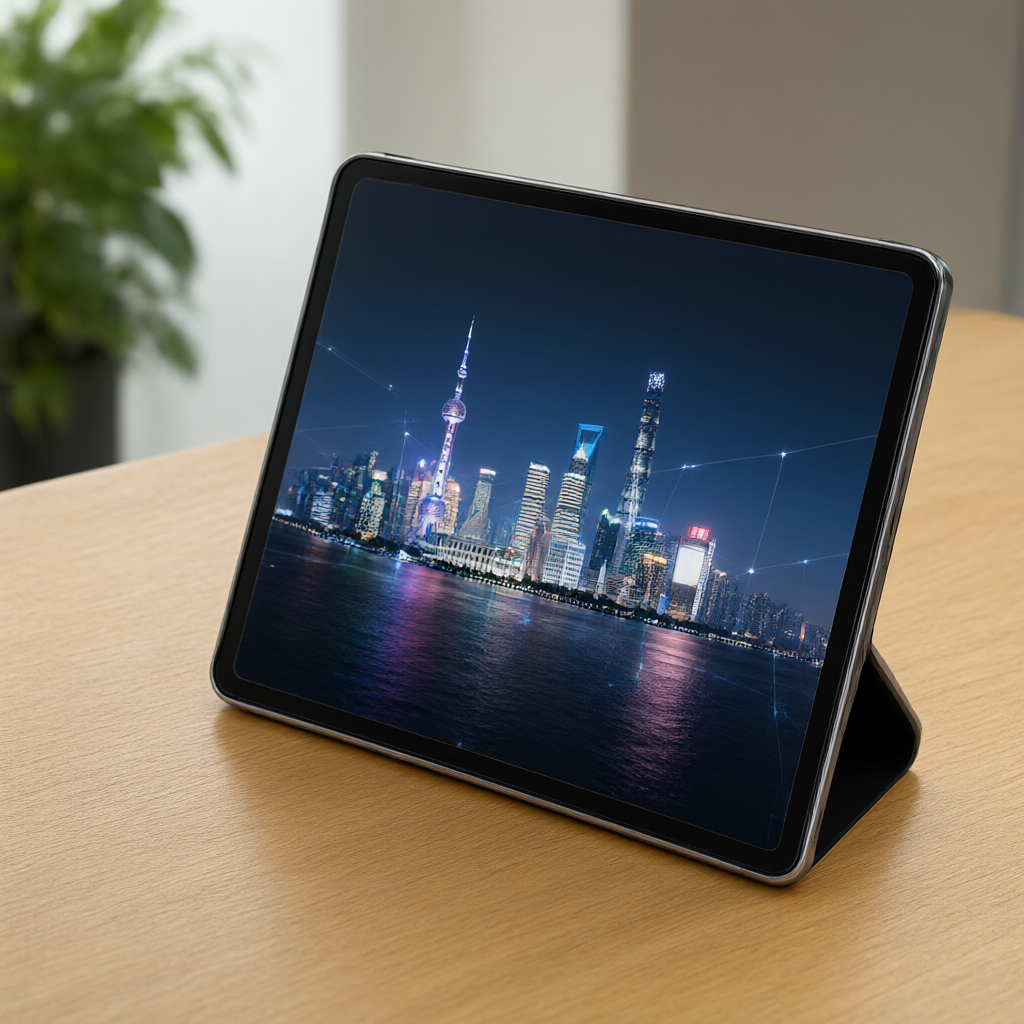
Flexible and Foldable Displays: The Future of Screen Technology
As technology continues to evolve at a breakneck pace, the way we interact with screens is also undergoing a significant transformation. The latest innovation in the world of display technology is the emergence of flexible and foldable displays. These revolutionary screens are poised to change the game, offering users a new level of versatility, portability, and convenience.
The concept of flexible displays is not new, but recent advancements in materials science and manufacturing have made it possible to create screens that can bend, twist, and fold without compromising their performance. This breakthrough has opened up new possibilities for the design and functionality of electronic devices, from smartphones and tablets to laptops and even wearables.
One of the most significant advantages of flexible and foldable displays is their ability to adapt to different environments and use cases. For instance, a smartphone with a foldable display can be used in a compact, pocket-sized format for everyday tasks, and then unfolded to provide a larger, tablet-like experience for more immersive activities. This flexibility also enables the creation of innovative form factors, such as wraparound displays that can be rolled up like a scroll or folded like a book.
Another key benefit of flexible and foldable displays is their increased durability and resistance to damage. Traditional screens are prone to cracking and shattering when subjected to physical stress, whereas flexible displays are designed to absorb and distribute impact more effectively, reducing the risk of damage. This is particularly important for devices that are used in harsh environments or are subject to rough handling.
The impact of flexible and foldable displays on the broader technology ecosystem is also significant. As more devices adopt this technology, we can expect to see the development of new use cases, such as foldable laptops that can be easily carried and used in tight spaces, or wearables that can be worn on the wrist or as a pendant. The possibilities are endless, and the potential for innovation is vast.
Of course, there are also challenges associated with the adoption of flexible and foldable displays. For instance, the manufacturing process is still relatively complex and expensive, which can drive up the cost of devices that incorporate these technologies. Additionally, there are concerns about the long-term durability and reliability of flexible displays, as well as the potential for them to be more prone to scratches and damage.
Despite these challenges, the potential benefits of flexible and foldable displays make them an exciting and important development in the world of technology. As the industry continues to evolve and mature, we can expect to see more devices that incorporate these technologies, and new use cases that take advantage of their unique features. Whether you're a tech enthusiast or a professional looking to stay ahead of the curve, the future of screen technology is certainly an exciting place to be.