The Role of MEMS Sensors in Modern Consumer Electronics
The Role of MEMS Sensors in Modern Consumer Electronics
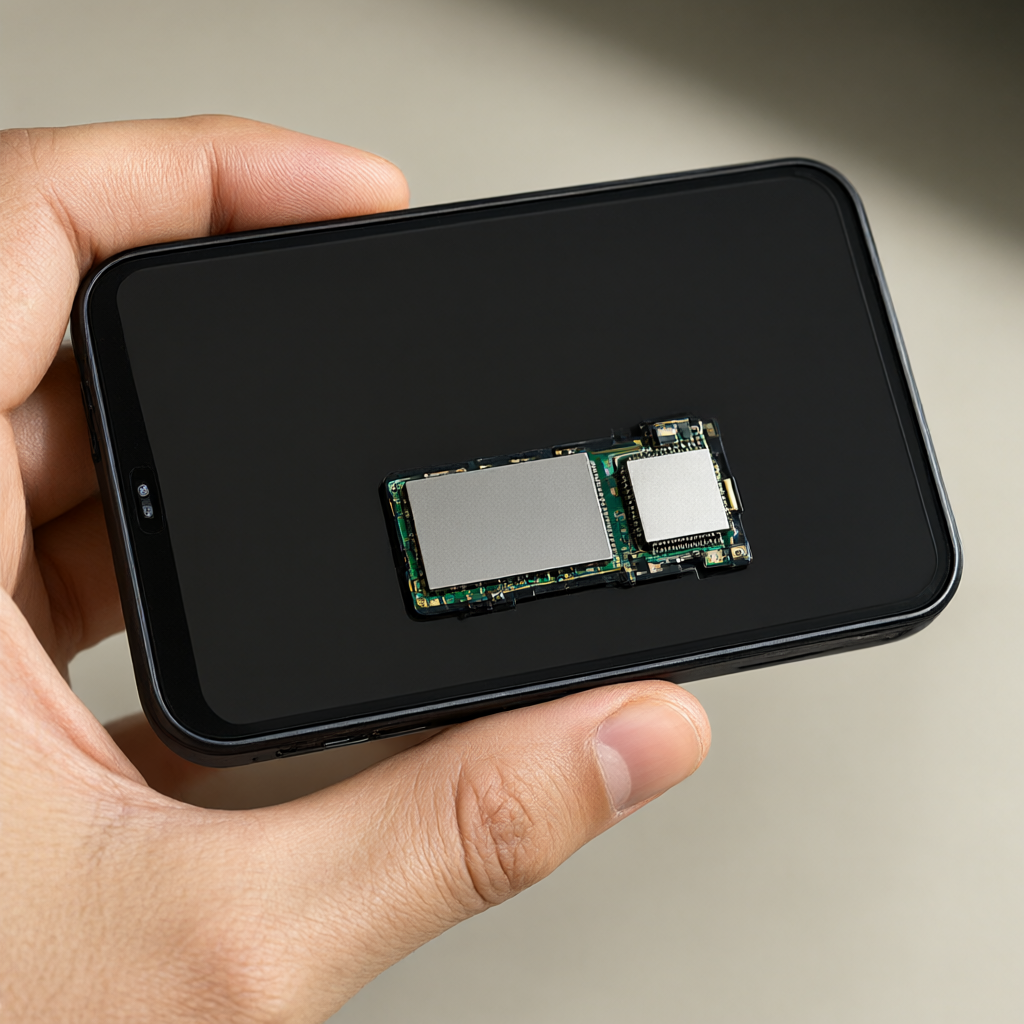
In today's fast-paced world, consumer electronics have become an integral part of our daily lives. From smartphones and smartwatches to gaming consoles and virtual reality headsets, these devices are designed to provide us with unparalleled convenience, connectivity, and entertainment. But have you ever stopped to think about the tiny marvels that enable these devices to function seamlessly? We're talking about Micro-Electro-Mechanical Systems (MEMS) sensors, of course!
MEMS sensors are the unsung heroes behind the scenes, working tirelessly to ensure that your devices respond accurately to your every command. These tiny sensors are the result of a groundbreaking fusion of microfabrication and microelectronics, allowing them to combine the precision of mechanical devices with the flexibility of electronic components.
In the world of consumer electronics, MEMS sensors play a crucial role in a wide range of applications. For instance, accelerometers and gyroscopes in smartphones and smartwatches enable features like gesture recognition, facial recognition, and motion detection. These sensors use tiny mechanical structures to detect even the slightest changes in acceleration, orientation, and rotation, allowing your devices to respond accordingly.
But that's not all – MEMS sensors also play a vital role in gaming consoles and virtual reality headsets. In gaming, these sensors help track player movements, allowing for immersive experiences that blur the lines between the physical and virtual worlds. In virtual reality, MEMS sensors enable devices to accurately track head movements, ensuring that the virtual world responds seamlessly to your every action.
MEMS sensors are also instrumental in the development of smart home devices and IoT (Internet of Things) technology. For example, MEMS-based temperature and humidity sensors can monitor the conditions in your home, adjusting heating and cooling systems to optimize energy efficiency and comfort. Similarly, MEMS-based motion sensors can detect changes in lighting and temperature, triggering smart lighting systems and thermostats to respond accordingly.
In addition to their technical prowess, MEMS sensors also offer significant advantages in terms of cost, power consumption, and miniaturization. By leveraging the unique properties of silicon and other materials, MEMS sensors can be designed to be incredibly small, lightweight, and energy-efficient, making them ideal for use in a wide range of applications.
In conclusion, MEMS sensors are the unsung heroes behind the scenes in modern consumer electronics. These tiny marvels enable devices to respond accurately to your every command, from gesture recognition and facial recognition to motion detection and immersive gaming experiences. As the world continues to evolve and become increasingly interconnected, the importance of MEMS sensors will only continue to grow. So next time you pick up your smartphone or smartwatch, take a moment to appreciate the tiny MEMS sensors that make it all possible – they're the real MVPs!