PCB Design Best Practices for High-Frequency Circuits
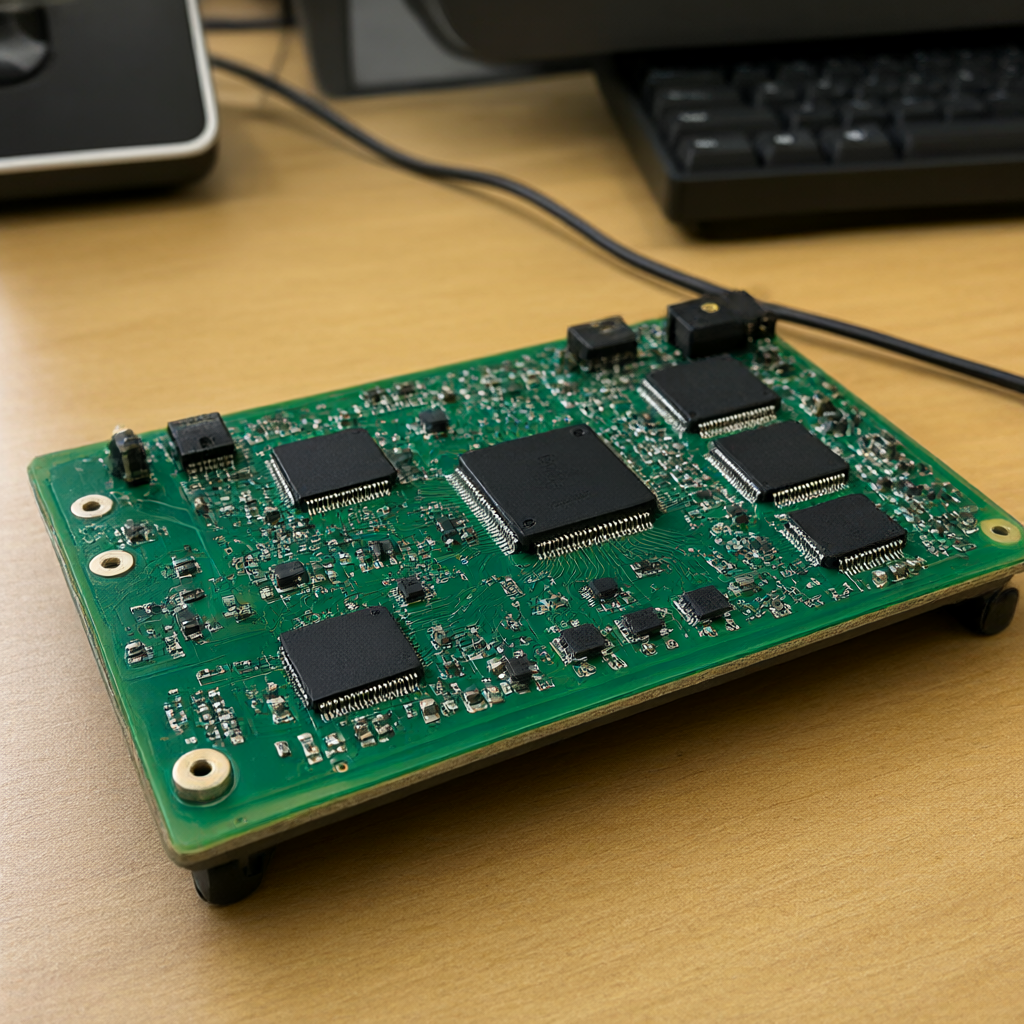
When designing printed circuit boards (PCBs) for high-frequency circuits, it's crucial to follow best practices to ensure optimal performance and minimize errors. High-frequency circuits require careful consideration of parameters such as impedance, reflection, and radiation to prevent signal degradation and ensure reliable operation. In this article, we'll explore the key PCB design best practices for high-frequency circuits, helping you to create effective and efficient designs.
First and foremost, it's essential to understand the operating frequency and the required performance characteristics of the circuit. This knowledge will guide your design decisions and help you to prioritize the most critical aspects. High-frequency circuits often require careful attention to detail, as even small mistakes can have significant impacts on performance.
One of the most critical considerations in high-frequency PCB design is impedance. Impedance is the total opposition to the flow of current, and it's essential to manage impedance effectively to prevent signal degradation. This is particularly important in high-frequency circuits, where impedance mismatches can cause reflections and reduce signal quality. To manage impedance effectively, you should use impedance-controlled materials, such as high-frequency laminate materials, and carefully design the PCB layout to minimize impedance mismatches.
Another critical consideration is radiation. Radiation refers to the emission of electromagnetic energy from the PCB, which can cause interference and affect the performance of nearby circuits. To minimize radiation, you should use materials with low dielectric loss, such as high-frequency laminate materials, and carefully design the PCB layout to minimize radiation. This may involve using shielding materials, such as copper or aluminum, to contain the radiation.
In addition to impedance and radiation, reflection is another critical consideration in high-frequency PCB design. Reflection occurs when the signal is reflected back into the source, causing interference and reducing signal quality. To minimize reflection, you should carefully design the PCB layout to minimize impedance mismatches and use materials with high reflectivity, such as high-frequency laminate materials.
When designing high-frequency PCBs, it's also essential to consider the effects of temperature and humidity. High-frequency circuits are sensitive to temperature and humidity fluctuations, which can affect the performance of the circuit. To mitigate these effects, you should use materials that are resistant to temperature and humidity fluctuations, such as high-frequency laminate materials, and carefully design the PCB layout to minimize thermal and humidity-related issues.
In addition to these technical considerations, it's also essential to consider the manufacturing process when designing high-frequency PCBs. High-frequency circuits require precise manufacturing processes to ensure optimal performance. To achieve this, you should work closely with your manufacturing partner to ensure that the PCB is manufactured with the required precision and accuracy.
Finally, it's essential to consider testing and validation when designing high-frequency PCBs. High-frequency circuits require careful testing and validation to ensure that they meet the required performance characteristics. To achieve this, you should use specialized testing equipment, such as vector network analyzers, and carefully design the PCB layout to facilitate testing and validation.
In conclusion, designing high-frequency PCBs requires careful consideration of a range of technical and manufacturing factors. By following best practices, such as managing impedance, minimizing radiation, minimizing reflection, and considering temperature and humidity, you can create effective and efficient designs that meet the required performance characteristics. With careful consideration of these factors, you can ensure that your high-frequency circuits operate reliably and efficiently, minimizing errors and maximizing performance.