The Shift to USB-C: Standardization and Its Industry Impact
The Shift to USB-C: Standardization and Its Industry Impact
In recent years, the tech industry has witnessed a significant shift towards USB-C as the new standard for data transfer and power delivery. This change has far-reaching implications for manufacturers, consumers, and the environment. In this article, we'll delve into the reasons behind the shift to USB-C, its benefits, and the impact it has had on the industry.
The Need for Standardization
In the early days of computing, different connectors and ports were used for various purposes, leading to confusion and inconvenience. The proliferation of USB (Universal Serial Bus) in the late 1990s brought some standardization, but the introduction of multiple flavors of USB (A, B, C, Mini, Micro, and so on) created a new set of problems. With the rise of mobile devices and the Internet of Things (IoT), the need for a single, universal connector became increasingly important.
USB-C: The Game-Changer
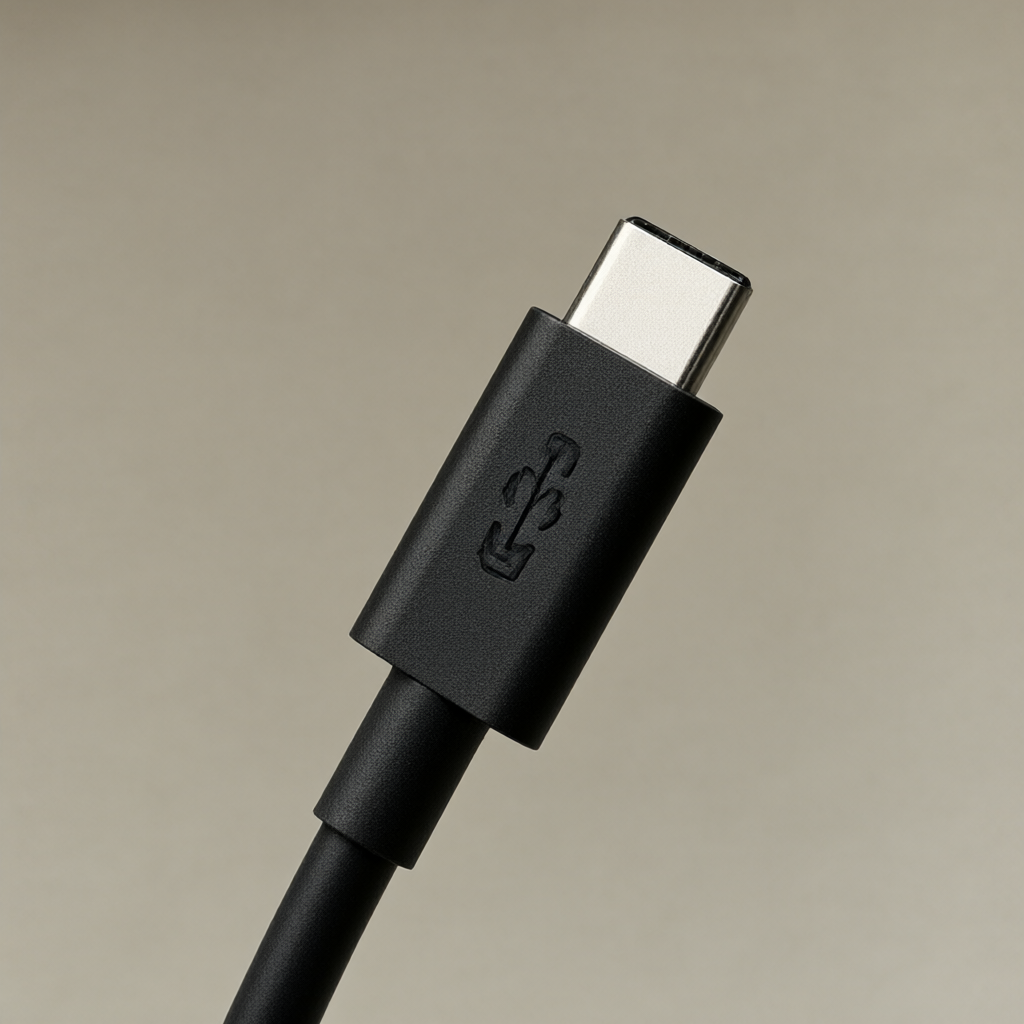
USB-C, also known as USB Type-C, was introduced in 2014 as a new standard for data transfer and power delivery. This small, reversible connector offers a significant improvement over its predecessors. USB-C is faster, more versatile, and can handle higher power levels, making it an ideal solution for modern devices. The shift to USB-C has been driven by the growing demand for a single, universally accepted connector that can handle the increasing power requirements of modern devices.
Benefits of USB-C
The shift to USB-C has brought numerous benefits to the industry. Some of the key advantages include:
- Faster Data Transfer: USB-C supports speeds of up to 10 Gbps, making it ideal for high-speed data transfer.
- Higher Power Delivery: USB-C can deliver up to 100W of power, making it possible to charge larger devices, such as laptops, quickly and efficiently.
- Reversible: The reversible nature of USB-C eliminates the frustration of trying to insert a connector the right way.
- Multi-Purpose: USB-C can be used for both data transfer and power delivery, reducing the need for multiple connectors.
Industry Impact
The shift to USB-C has had a significant impact on the industry. Some of the key effects include:
- Increased Adoption: The widespread adoption of USB-C has led to a reduction in the number of different connectors and ports used in devices, making it easier for consumers to use and manage their devices.
- Simplified Design: The shift to USB-C has simplified device design, as manufacturers no longer need to worry about accommodating multiple connectors and ports.
- Environmental Benefits: The reduction in the number of connectors and ports has led to a decrease in electronic waste and a more sustainable approach to device design.
- New Opportunities: The shift to USB-C has opened up new opportunities for manufacturers, such as the development of new devices and accessories that take advantage of the connector's capabilities.
Conclusion
The shift to USB-C has been a significant development in the tech industry, driven by the need for standardization and the increasing power requirements of modern devices. The benefits of USB-C, including faster data transfer, higher power delivery, and a reversible design, have had a profound impact on the industry. As the tech industry continues to evolve, it is likely that USB-C will remain the standard for data transfer and power delivery, offering a versatile and efficient solution for manufacturers, consumers, and the environment.