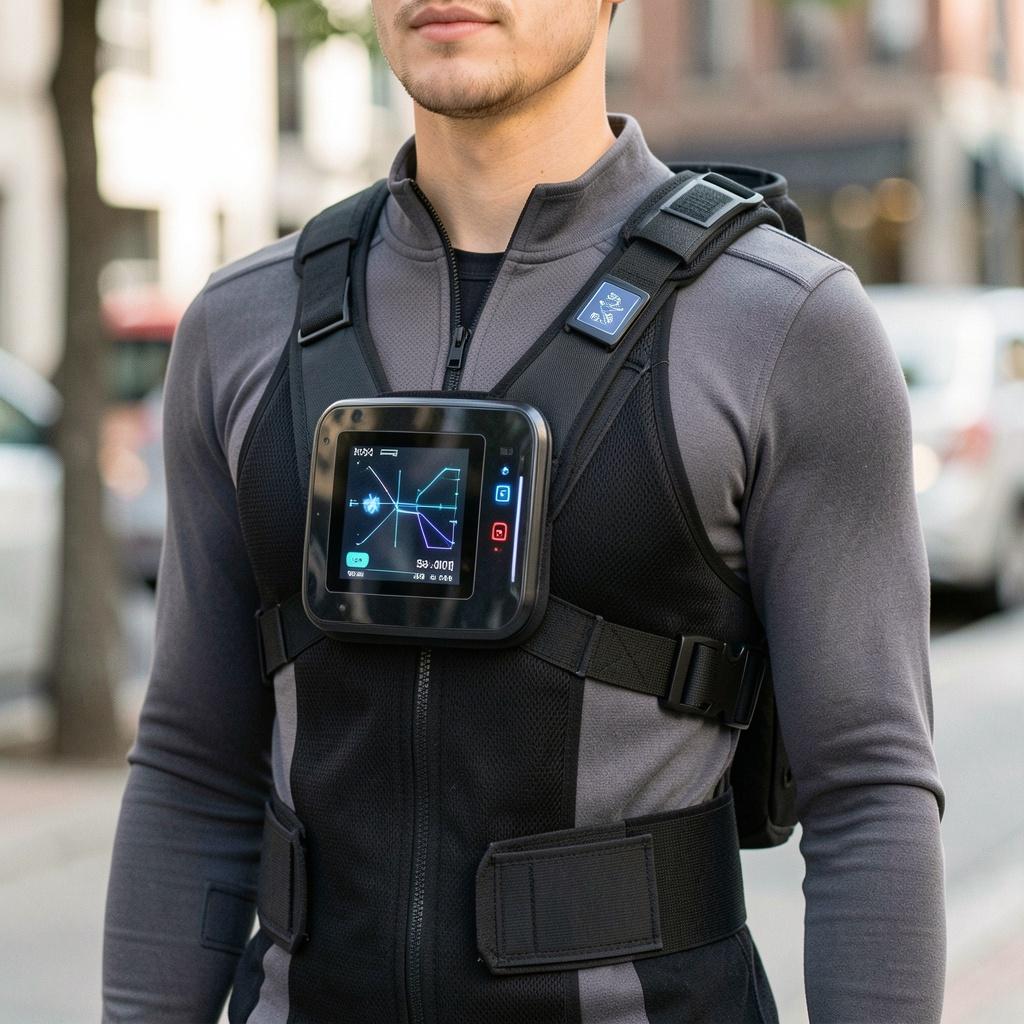
Smart Fabrics and Wearable Technology in Fashion
In recent years, the world of fashion has witnessed a significant shift towards incorporating smart fabrics and wearable technology. This trend is not only revolutionizing the way we dress but also enhancing our overall well-being. As our daily lives become increasingly intertwined with technology, the boundaries between fashion and function are blurring, giving rise to a new era of intelligent textiles.
Smart fabrics, also known as e-textiles, are materials that integrate electronic components into the fabric itself, enabling them to interact with the environment or the human body. These innovative textiles have the potential to transform various aspects of our lives, from healthcare to entertainment. According to, smart fabrics can be used to create wearable devices that monitor vital signs, track fitness goals, or even detect health anomalies.
One of the most significant advantages of smart fabrics is their ability to adapt to changing environments. For instance, self-cleaning fabrics can eliminate the need for frequent washing, reducing water consumption and minimizing the environmental impact of textile production. Adaptive materials, on the other hand, can adjust their properties in response to temperature, light, or other external stimuli, providing real-time feedback to the wearer.
The development of smart fabrics is driven by advancements in wearable technology. Wearable devices, such as smartwatches and fitness trackers, have become an integral part of our daily lives. However, these devices often require charging, which can be inconvenient. Smart fabrics can eliminate this limitation by integrating energy-harvesting capabilities, allowing devices to power themselves.
The intersection of fashion and technology is also giving rise to new business models. The rise of the "connected closet" is transforming the way we shop, wear, and interact with our clothing. With smart textiles, consumers can now monitor the condition of their garments, receive alerts when they need maintenance, or even purchase new items based on their wardrobe's energy levels.
As the smart fabrics industry continues to evolve, we can expect to see a range of innovative applications. From wearable devices that monitor vital signs to adaptive materials that adjust to changing environments, the possibilities are endless. As the fashion world continues to merge with technology, it will be exciting to see how smart fabrics and wearable technology shape the future of fashion and function.
References: SMART FABRICS-WEARABLE TECHNOLOGY – ResearchGate (2020) Smart fabrics in 2026: The future of fashion and function … (2025) Intelligent Textiles and Wearable Tech: How Smart Fabrics Are … (2025) The Connected Closet: How Technology is … – Fibre2Fashion (2025) Smart wearable fibers and textiles: status and prospects (2025)