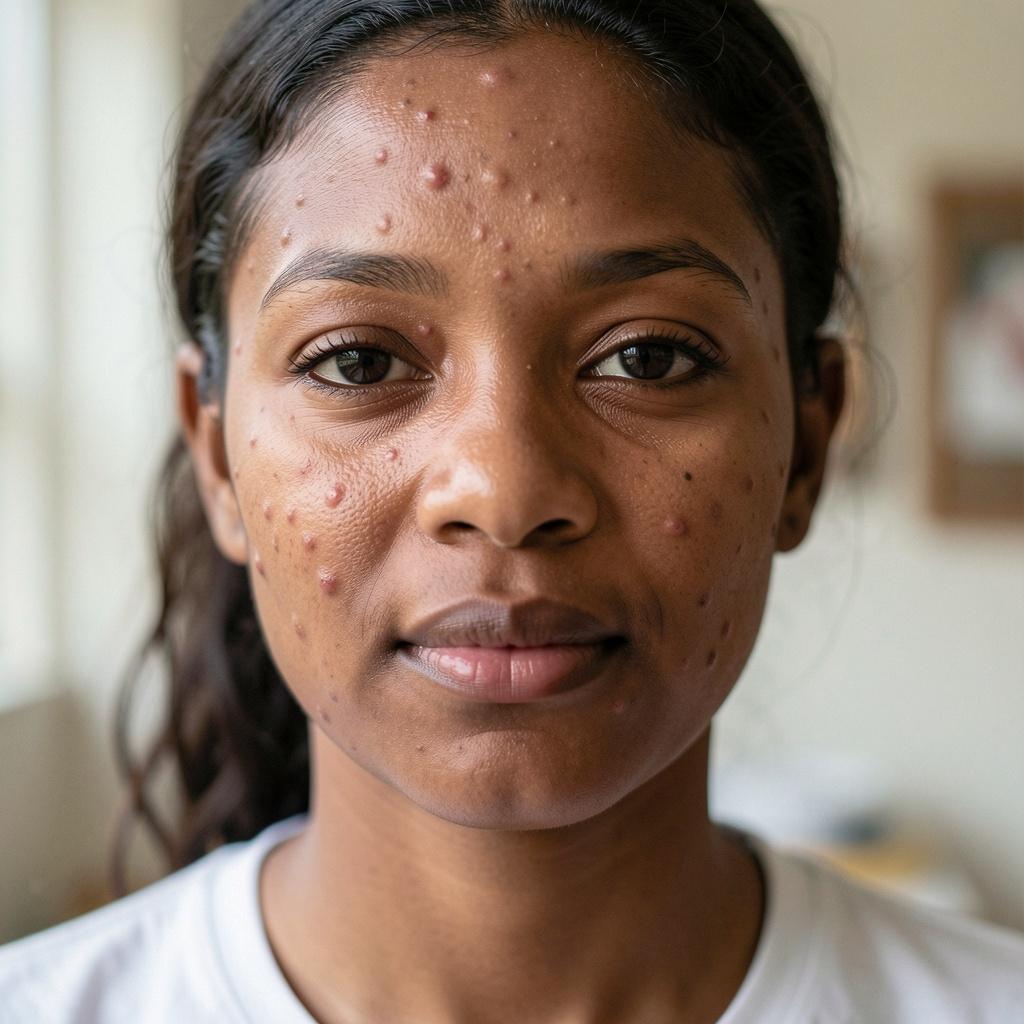
Acne in Different Skin Tones: Considerations for Diagnosis and Treatment
Acne is a common skin condition that affects millions of people worldwide. While it's often associated with adolescence, it can occur at any age, and its appearance can vary depending on the individual's skin tone. As a result, diagnosing and treating acne requires a nuanced understanding of how it presents in different skin tones. In this article, we'll explore the considerations for diagnosing and treating acne in different skin tones.
One of the biggest challenges in diagnosing acne is that it can manifest differently in people with darker skin tones. For instance, people with darker skin tones may experience acne that appears more purple or blue due to the way melanin interacts with the skin. This can make it more difficult for dermatologists to diagnose acne, as the symptoms may not be as obvious. Additionally, some acne treatments may not be as effective for people with darker skin tones, as they may not penetrate the skin as well.
On the other hand, people with lighter skin tones may experience acne that appears more red and inflamed. This can be particularly challenging for people with fair skin, as they may be more prone to post-inflammatory hyperpigmentation (PIH) – a condition that causes dark spots or hyperpigmentation to appear after the acne has cleared. As a result, dermatologists may need to take a more cautious approach when treating acne in people with lighter skin tones.
In addition to the challenges posed by skin tone, there are other factors that can affect the diagnosis and treatment of acne. For instance, people with oily skin may be more prone to clogged pores and blackheads, while those with dry skin may experience acne that's more inflamed and red. Similarly, people with sensitive skin may require more gentle treatments, while those with combination skin may need a treatment that addresses both oily and dry areas.
Ultimately, diagnosing and treating acne requires a personalized approach that takes into account an individual's unique skin tone, skin type, and skin concerns. By considering these factors, dermatologists can develop a treatment plan that's tailored to an individual's specific needs, increasing the chances of achieving successful results. Whether you're dealing with acne on your face, chest, or back, understanding how your skin tone affects your acne can help you find the right treatment and enjoy clearer, healthier-looking skin.