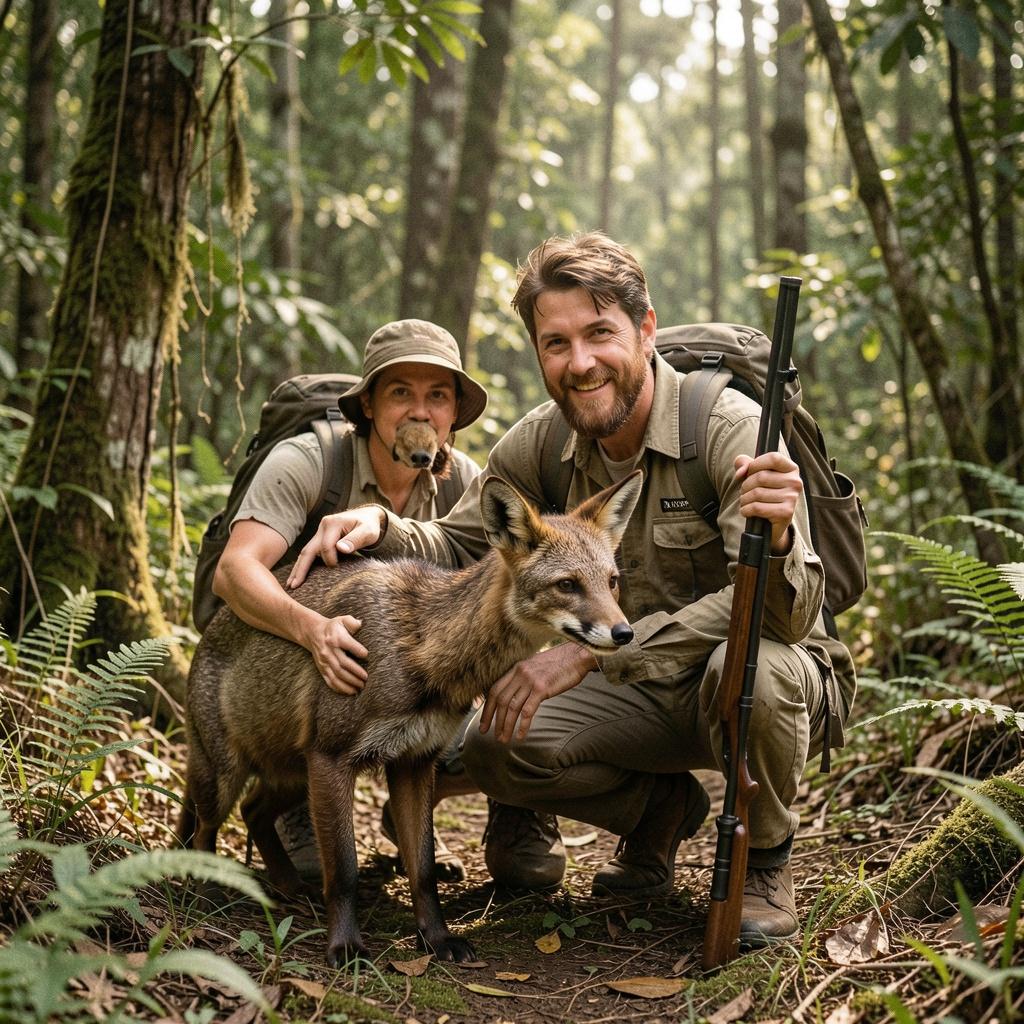
Wildlife Tours: Ethical Practices and Conservation Impact
As a beginner in the world of wildlife tourism, you're probably excited to explore the great outdoors and get up close and personal with nature's wonders. But have you ever stopped to think about the impact your travels have on the very animals and ecosystems you're trying to connect with? It's a crucial question, as the tourism industry can either support conservation efforts or, if done poorly, harm the very animals and habitats you're trying to visit.
The truth is, not all wildlife tours are created equal. Some operators prioritize profits over animal welfare, while others make genuine efforts to support conservation and protect the natural world. So, how do you choose an ethical wildlife tour that aligns with your values and supports the greater good?
One of the most important things to look for is a tour operator that prioritizes animal welfare. This means ensuring that animals are not subjected to stress, harm, or exploitation for the sake of entertainment or profit. Look for operators that have a strong track record of working with local conservation organizations and supporting habitat preservation.
Another key factor is the tour operator's commitment to transparency. Can they provide detailed information about their operations, including their conservation efforts and animal handling practices? Do they have a clear code of conduct that outlines their commitment to animal welfare and conservation? If the answer is no, it may be a red flag indicating that the tour operator is more interested in making a quick buck than in protecting the animals and ecosystems they're supposed to be promoting.
Of course, there are also plenty of benefits to responsible wildlife tourism. For one, it can provide a vital source of income for local communities, helping to support conservation efforts and promote sustainable development. Wildlife tourism can also raise awareness about the importance of conservation and inspire people to take action to protect the natural world. And, of course, it can provide a unique and enriching experience for travelers, allowing them to connect with nature in a way that's both thrilling and educational.
Ultimately, the key to ethical wildlife tourism is to do your research and choose an operator that aligns with your values and supports conservation. By doing so, you can help ensure that your travels have a positive impact on the animals and ecosystems you're trying to visit, rather than harming them. So, go ahead and plan your wildlife adventure – just make sure to do it responsibly!