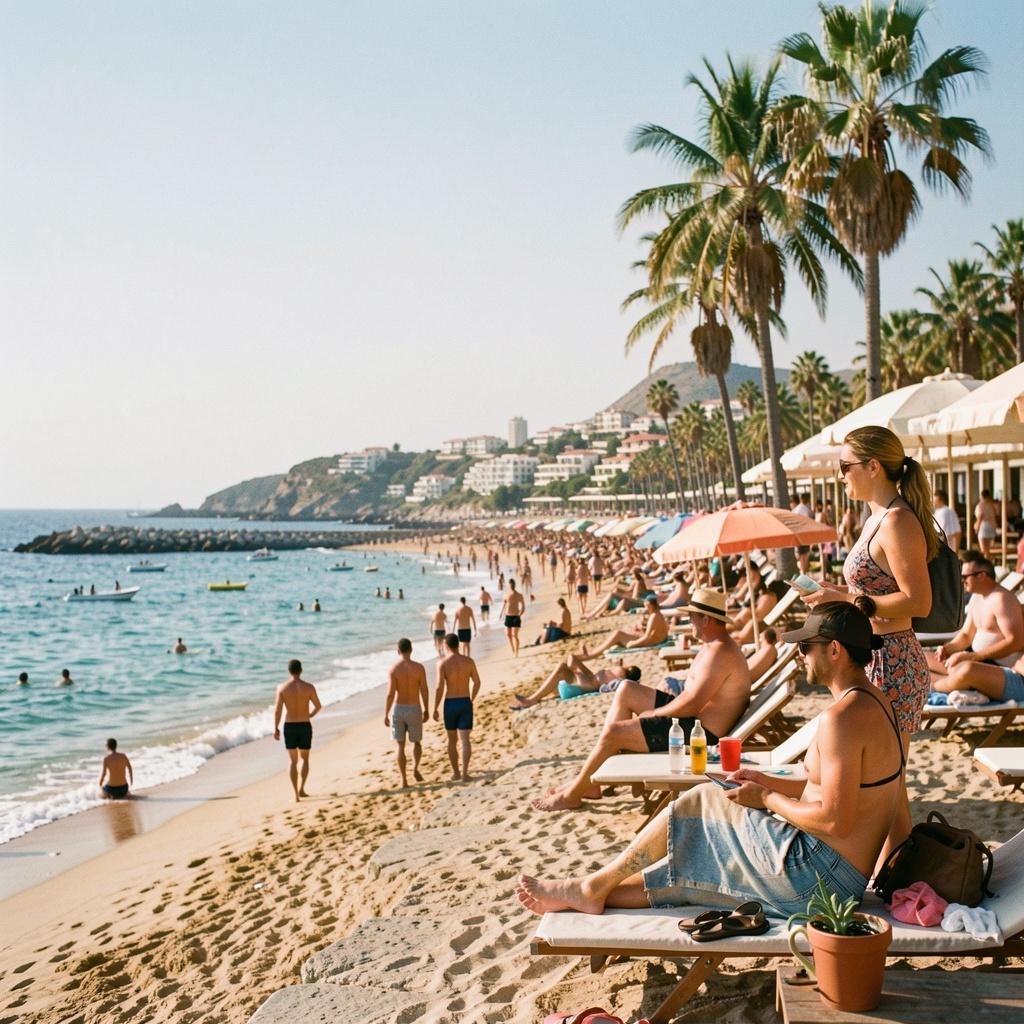
The Impact of Overtourism on Popular Destinations
As the world slowly recovers from the pandemic, the issue of overtourism is once again rearing its head. What is overtourism, you ask? Simply put, it's when too many people visit a place, causing a negative impact on the environment, local communities, and cultural heritage.
One of the most notable examples of overtourism is the charming Austrian lakeside village of Hallstatt. With only 800 residents, Hallstatt has been overwhelmed by around 10,000 visitors a day, a population increase of over 1,000%. This has led to locals staging blockades and asking visitors to "think of the children." It's not just Hallstatt, though – many popular destinations are struggling with the same issue.
Overtourism has far-reaching effects, from climate change to localised issues. For instance, coral reefs are being degraded by visitors snorkelling, diving, and touching the corals, as well as tour boats anchoring in the waters. According to the United Nations World Tourism Organisation (UNWTO), transport-related carbon emissions from tourism are expected to grow 25% from 2016 levels by 2030, representing an increase from 5% to 5.3% of all man-made emissions.
But it's not just the environment that's affected. Local residents are being evicted by landlords in favour of turning properties into holiday lets, and house prices are escalating as a result. As visitors and rental properties outnumber local residents, communities are being lost.
Overcrowding is an issue for both locals and tourists. It can ruin the experience of sightseeing for those trapped in long queues, unable to visit museums, galleries, and sites without advance booking, incurring escalating costs for basics like food, drink, and hotels, and faced with the noise levels and damage at historical sites.
So, what can we do to combat overtourism? One solution is to travel in off-peak seasons or support local businesses. By making conscious choices, we can help destinations struggling with overtourism.
In the end, it's essential to strike a balance between tourism and the well-being of the destinations we visit. By understanding the impact of overtourism and taking steps to mitigate it, we can ensure that our love of travel doesn't come at the expense of the places we visit.