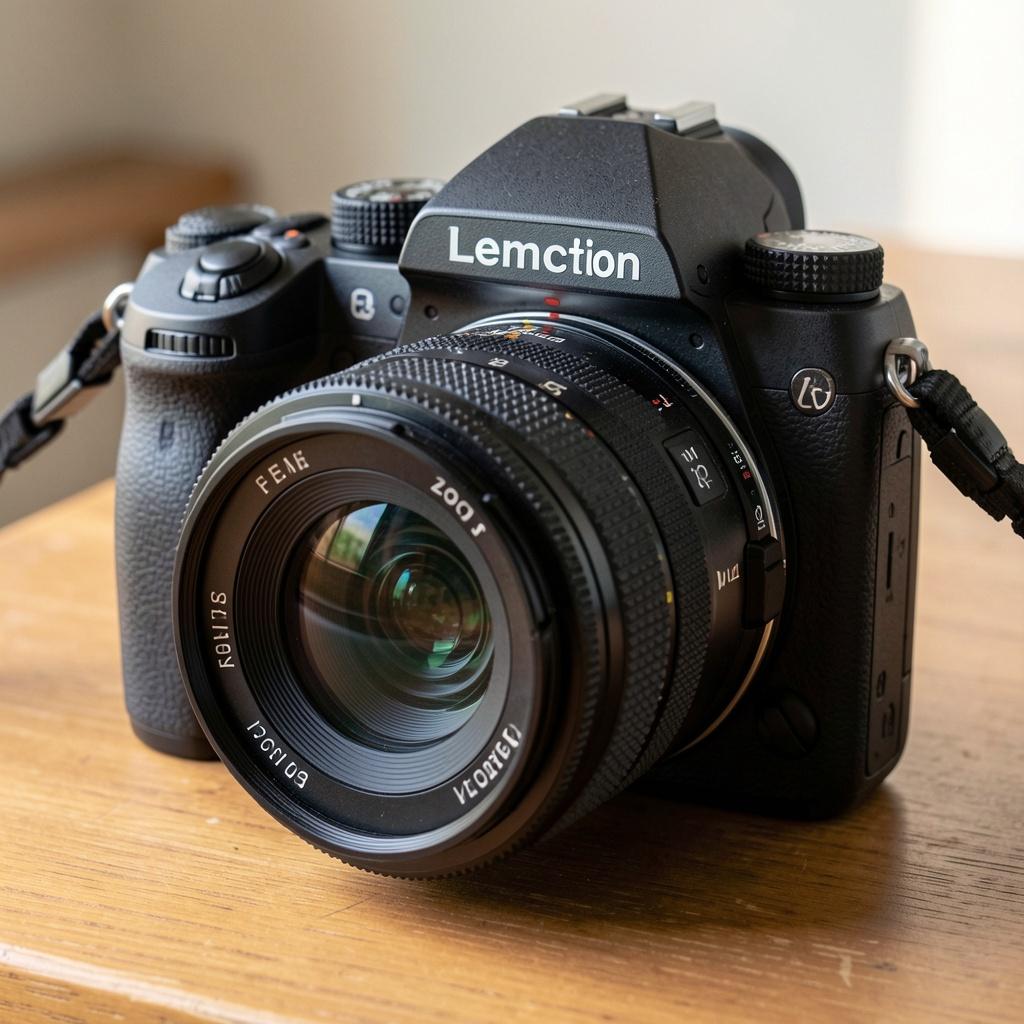
Lens Selection: Prime vs. Zoom and Focal Length Explained
When it comes to capturing the perfect shot, the right lens can make all the difference. But with so many options out there, it can be overwhelming to choose the perfect one. That's why it's essential to understand the basics of lens selection, including the differences between prime and zoom lenses, and the impact of focal length on your final product.
Prime Lenses: The Benefits
Prime lenses are designed with a fixed focal length, typically between 50mm to 200mm. While they may seem limiting, prime lenses have several benefits that make them a popular choice among photographers. For one, they tend to be sharper and more accurate than zoom lenses, thanks to their simpler design and fewer moving parts. Additionally, prime lenses are often more compact and lightweight, making them ideal for travel or street photography. And, let's not forget the unique aesthetic that prime lenses can bring to your images, with their characteristic bokeh and shallow depth of field.
Zoom Lenses: The Versatility
On the other hand, zoom lenses offer the flexibility and convenience that prime lenses can't match. With a zoom lens, you can quickly switch between different focal lengths without having to change lenses, making it ideal for situations where you need to adapt to changing conditions. Zoom lenses are also often more versatile than prime lenses, covering a wider range of focal lengths and allowing you to capture more in a single shot.
Focal Length: The Key to Understanding
So, what's the difference between a 50mm lens and a 200mm lens? Focal length is the answer. Focal length refers to the distance between the camera's sensor and the image plane. A shorter focal length, like 50mm, is ideal for capturing wide-angle shots and portraits, while a longer focal length, like 200mm, is better suited for capturing distant subjects and compressing scenes. Understanding focal length is crucial when selecting the right lens for your needs.
In conclusion, when it comes to lens selection, it's essential to consider the benefits and drawbacks of prime and zoom lenses, as well as the impact of focal length on your final product. By taking the time to understand these factors, you'll be well on your way to capturing the perfect shot every time.