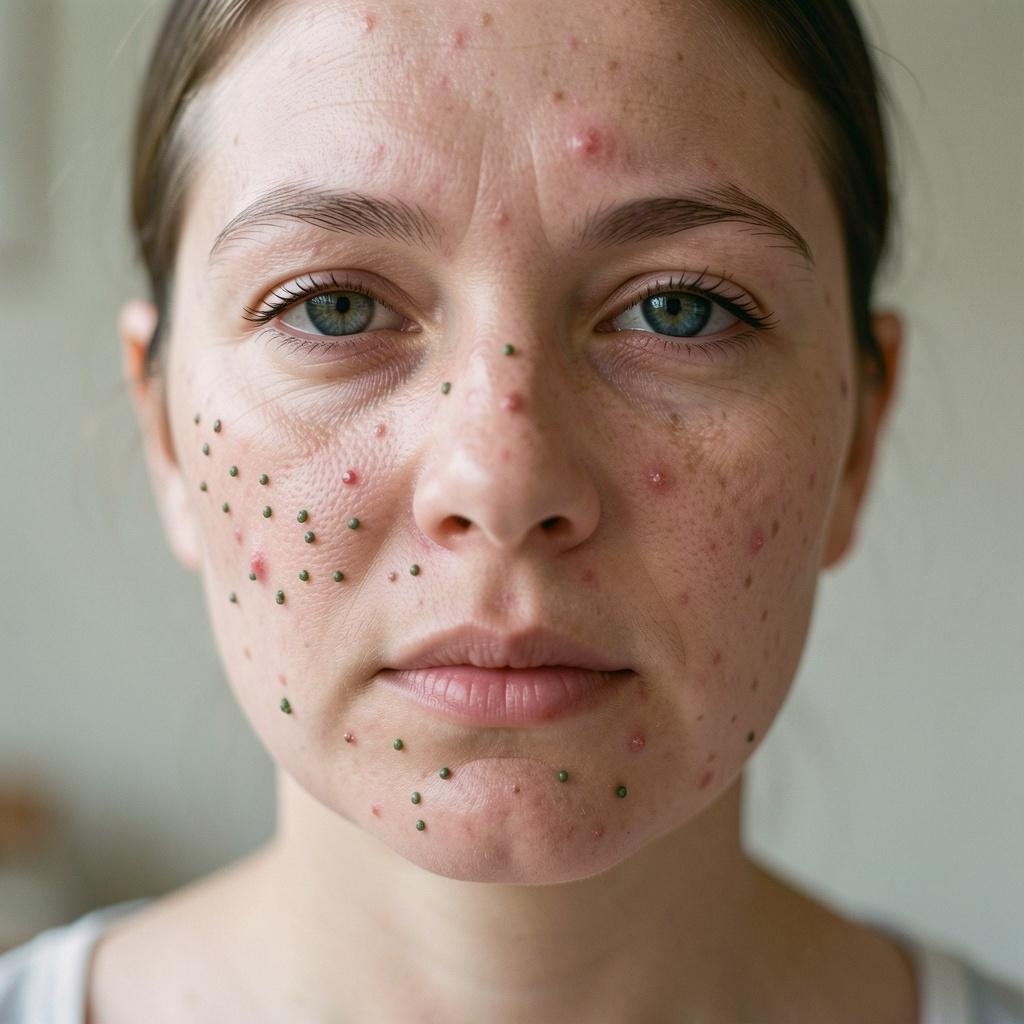
Acne and the Skin Microbiome: The Role of C. acnes Bacteria
Acne, a common skin condition affecting millions of people worldwide, has long been thought to be caused by excess oil production, clogged pores, and bacteria. However, recent research has shed light on the crucial role played by the skin microbiome, specifically Cutibacterium acnes (C. acnes) bacteria, in the development and progression of acne.
The skin microbiome is a complex ecosystem of microorganisms that inhabit our skin, playing a vital role in maintaining its health. C. acnes is a type of bacteria that is naturally present on the skin, particularly in areas prone to acne, such as the face, chest, and back. This bacteria is recognized as a key factor in acne development, regulating inflammatory and immune pathways.
When the skin microbiome is in balance, C. acnes bacteria help to maintain a healthy skin environment by modulating the immune response and preventing excessive inflammation. However, when the balance is disrupted, leading to an imbalance in the skin microbiome, C. acnes can contribute to the development of acne.
Studies have shown that the skin microbiome is altered in individuals with acne, with an overgrowth of C. acnes and other pathogenic bacteria. This dysbiosis, or imbalance, in the skin microbiome can lead to increased inflammation, oxidative stress, and the activation of immune cells, ultimately contributing to the development of acne.
Understanding the role of C. acnes bacteria in acne can have significant implications for treatment. Researchers are exploring the potential of targeting the skin microbiome to develop novel therapeutic strategies for acne.
In conclusion, the skin microbiome, particularly the C. acnes bacteria, plays a crucial role in the development and progression of acne. Recognizing the importance of this ecosystem can lead to the development of innovative treatments that target the underlying microbiological imbalances, offering new hope for individuals struggling with acne.