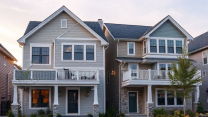
Adaptive reuse: converting old buildings into modern spaces
As we strive to build a more sustainable future, adaptive reuse has emerged as a game-changer in the world of architecture and design. By breathing new life into old buildings, we not only reduce our carbon footprint but also preserve our cultural heritage. In this blog post, we'll delve into the world of adaptive reuse, exploring what it is, why it's essential, and how it's transforming our urban landscapes.
Adaptive reuse, at its core, is the process of converting an old building into a modern space that serves a new purpose. This can involve transforming a historic factory into a trendy coworking space, repurposing a vintage warehouse into a boutique hotel, or renovating a 19th-century church into a contemporary art gallery. The possibilities are endless, and the benefits are numerous.
One of the most significant advantages of adaptive reuse is its environmental impact. By reusing existing structures, we reduce the need for new construction, which in turn minimizes waste, conserves natural resources, and decreases greenhouse gas emissions. According to the U.S. Environmental Protection Agency, buildings account for nearly 40% of total energy consumption and 30% of total greenhouse gas emissions. By repurposing old buildings, we can significantly reduce these numbers and create a more sustainable built environment.
In addition to its environmental benefits, adaptive reuse also offers a unique opportunity to preserve our cultural heritage. Old buildings often possess a character and charm that is difficult to replicate in new construction. By maintaining the original features and architectural style of these structures, we can preserve a piece of our history and create spaces that are truly one-of-a-kind. This approach also encourages community engagement and social cohesion, as people come together to celebrate and protect their cultural heritage.
Another significant advantage of adaptive reuse is its potential to revitalize urban areas. By transforming underutilized or abandoned buildings into vibrant spaces, we can stimulate economic growth, increase property values, and create a sense of community. This approach can also help to revitalize neighborhoods that have been neglected or forgotten, creating a ripple effect of positive change that can have far-reaching impacts.
Of course, adaptive reuse is not without its challenges. One of the most significant hurdles is the need to balance the original character of the building with modern needs and expectations. This requires a delicate balance between preserving the past and embracing the future, which can be a complex and nuanced process. Additionally, adaptive reuse often requires significant investment and resources, including funding, expertise, and equipment.
Despite these challenges, adaptive reuse has become increasingly popular in recent years, with many cities and developers embracing this approach as a way to create unique, sustainable, and culturally rich spaces. From converted warehouses and factories to repurposed historic buildings and landmarks, the possibilities are endless, and the benefits are significant.
As we look to the future, it's clear that adaptive reuse will continue to play a vital role in shaping our built environment. By embracing this approach, we can create spaces that are not only functional and sustainable but also unique, culturally rich, and deeply meaningful. Whether you're an architect, a developer, or simply someone who appreciates the beauty of old buildings, adaptive reuse offers a powerful tool for creating a more sustainable, resilient, and vibrant future.