Battery Technology Breakthroughs: Solid-State and Beyond Lithium-Ion
Battery Technology Breakthroughs: Solid-State and Beyond Lithium-Ion
The rapid growth of the electric vehicle (EV) industry and the increasing demand for sustainable energy storage solutions have driven significant advancements in battery technology. Lithium-ion batteries, which have been the cornerstone of the industry for decades, are facing limitations in terms of energy density, charging speed, and safety. In response, researchers and manufacturers are exploring new battery chemistries and architectures that can overcome these limitations. In this article, we'll delve into the latest breakthroughs in solid-state battery technology and beyond lithium-ion innovations.
Solid-State Batteries: A Game-Changer
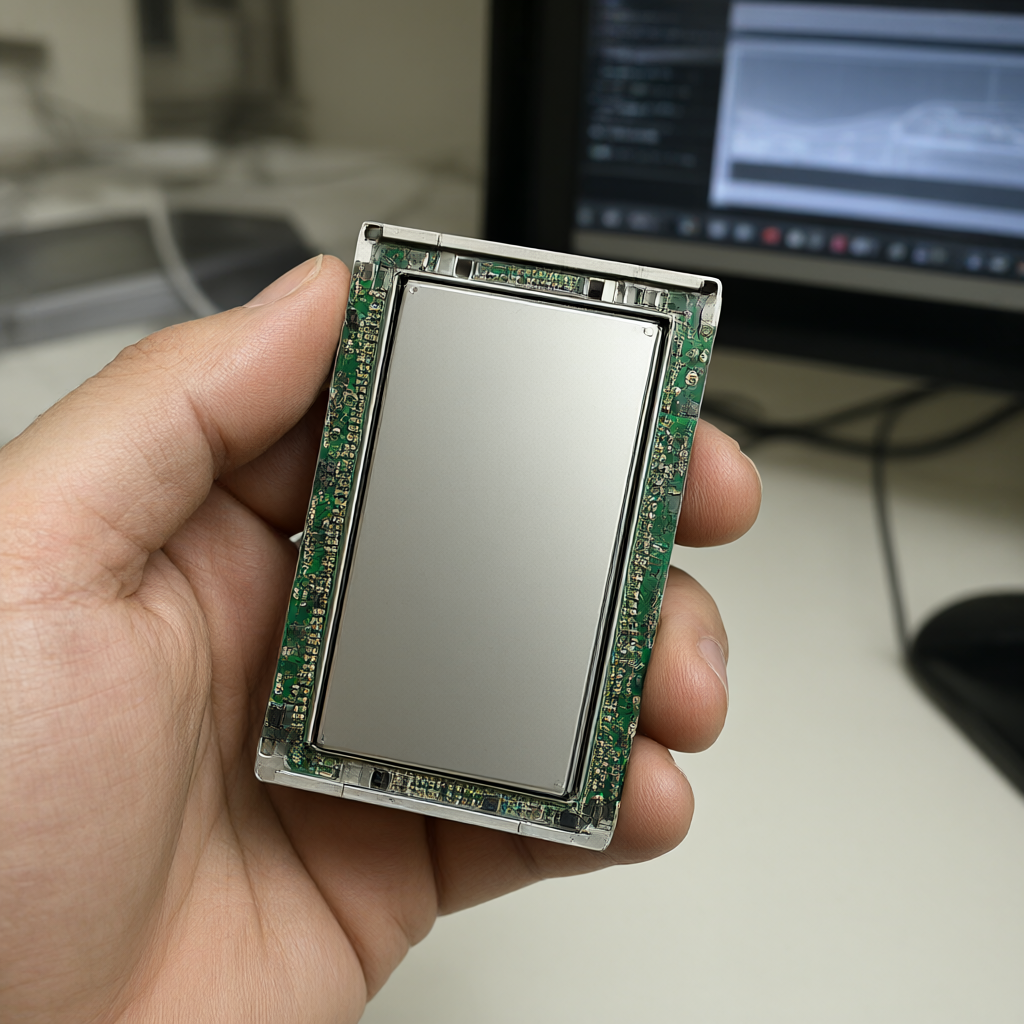
Solid-state batteries (SSBs) are gaining attention for their potential to revolutionize the battery industry. By replacing the liquid electrolyte in traditional lithium-ion batteries with a solid-state material, SSBs promise improved safety, energy density, and charging speeds. The solid-state material, typically a ceramic or glass electrolyte, eliminates the risk of thermal runaway and allows for faster charging and discharging.
SSBs have already shown impressive results in early-stage testing. For instance, a team of researchers at the University of California, Los Angeles (UCLA) has developed an SSB that achieved a record-breaking energy density of 1,200 Wh/kg, surpassing the performance of traditional lithium-ion batteries. While SSBs are still in the development stage, they hold immense promise for future battery applications.
Beyond Lithium-Ion: New Chemistries and Architectures
As the limitations of lithium-ion batteries become more apparent, researchers are exploring alternative chemistries and architectures to meet the demands of emerging applications. Some of the most promising areas of research include:
- Sodium-Ion Batteries: Sodium is an abundant element that can be used as a replacement for lithium in battery chemistries. Sodium-ion batteries have the potential to offer similar performance to lithium-ion batteries at a lower cost.
- Zinc-Air Batteries: Zinc-air batteries are a type of metal-air battery that uses zinc as the anode and atmospheric oxygen as the cathode. They have the potential to offer high energy density and long lifespan.
- Flow Batteries: Flow batteries store energy in liquid electrolytes in external tanks, which can be scaled up or down depending on the application. They have the potential to offer long-duration energy storage and flexible deployment.
- Graphene-Based Batteries: Graphene, a highly conductive and flexible material, is being explored for its potential to improve battery performance. Graphene-based batteries could offer higher energy density, faster charging, and longer lifespan.
Challenges and Outlook
While the advancements in battery technology are promising, there are still significant challenges to overcome before widespread adoption can occur. Some of the key challenges include:
- Scalability: Scaling up production of new battery chemistries and architectures to meet the demands of the market is a significant challenge.
- Cost: The cost of producing new battery technologies must be brought down to make them competitive with traditional lithium-ion batteries.
- Safety: Ensuring the safety of new battery technologies is crucial to avoid any potential risks to users and the environment.
Despite these challenges, the outlook for battery technology is bright. As the industry continues to innovate and improve, we can expect to see the widespread adoption of new battery chemistries and architectures that will enable the widespread adoption of electric vehicles, renewable energy systems, and other sustainable energy solutions.