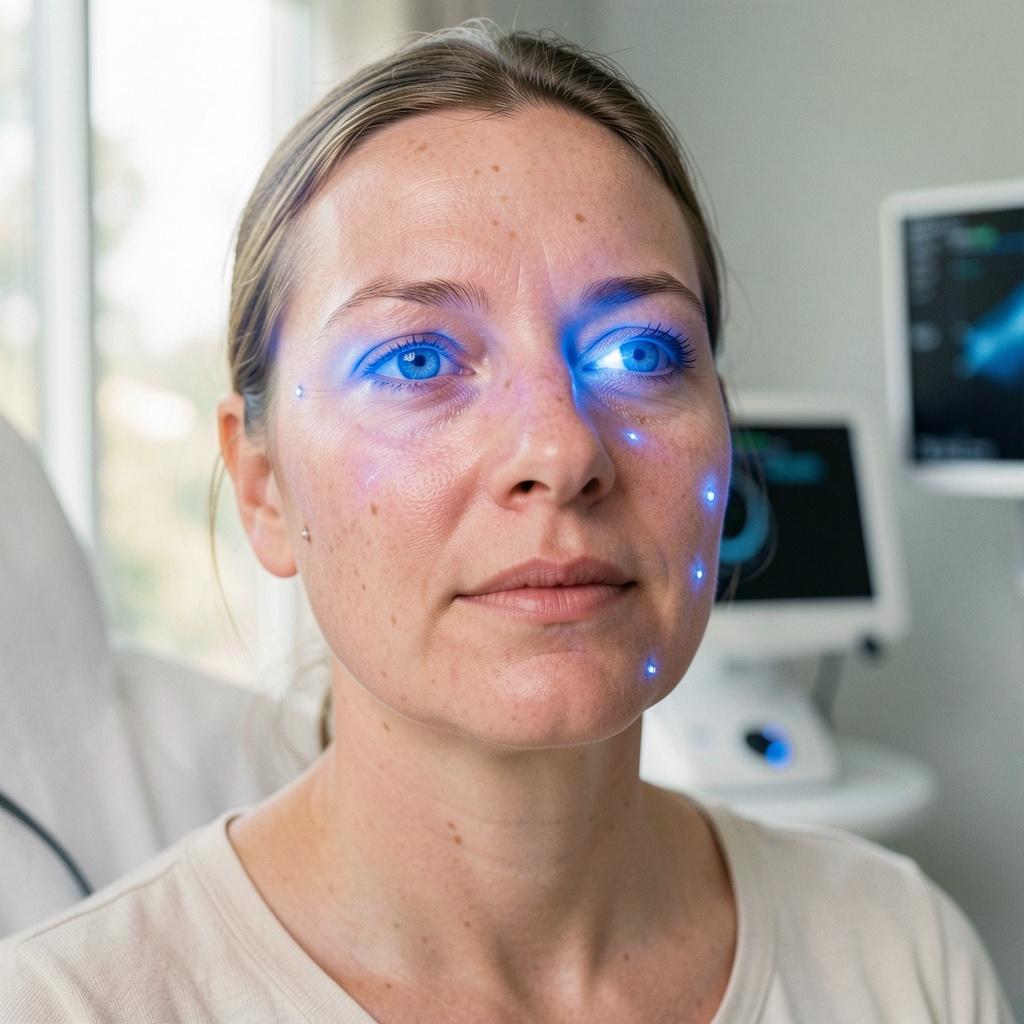
As we navigate the world of skincare, we're often met with a plethora of treatment options, each claiming to be the holy grail for acne-prone skin. Amidst the sea of creams, serums, and devices, two modalities have gained significant attention in recent years: blue light therapy and photodynamic therapy. In this article, we'll delve into the world of light and laser therapy for acne, exploring the science behind these innovative treatments and what they can do for your skin.
Blue light therapy, as the name suggests, utilizes a specific wavelength of light to combat acne. This type of light is invisible to the human eye, emitting at a frequency of around 405-450 nanometers. When applied to the skin, blue light is thought to target the bacteria responsible for causing acne, Propionibacterium acnes (P. acnes), and reduce its growth. The treatment is typically performed using a handheld device or a specialized lamp, and sessions can last anywhere from 10 to 30 minutes.
Photodynamic therapy, on the other hand, is a more complex process that involves a combination of light and a light-sensitive medication. The treatment begins with the application of a topical medication, typically aminolevulinic acid (ALA), to the affected area. The medication is then activated by a specific wavelength of light, usually in the blue or red spectrum, causing a reaction that targets abnormal cells and bacteria. This treatment is often used to treat more severe cases of acne, such as nodular or cystic acne, and can be more effective than blue light therapy alone.
Both blue light and photodynamic therapy have been shown to be effective in reducing acne lesions and improving overall skin health. Studies have demonstrated that blue light therapy can reduce acne severity by up to 70%, while photodynamic therapy has been shown to be even more effective, with success rates reaching as high as 90%. Additionally, both treatments have been found to be relatively safe and well-tolerated, with few reported side effects.
While these therapies show great promise in the fight against acne, it's essential to note that they may not be suitable for everyone. For instance, blue light therapy may not be effective for all types of acne, such as hormonal or rosacea-related acne. Similarly, photodynamic therapy may require careful selection of patients, as it can cause temporary discomfort and skin sensitivity.
As we continue to explore the world of skincare, it's clear that light and laser therapy are exciting developments in the treatment of acne. By understanding the science behind these modalities and their potential benefits and limitations, we can make more informed decisions about our skin care regimens and work towards achieving healthier, more radiant skin.