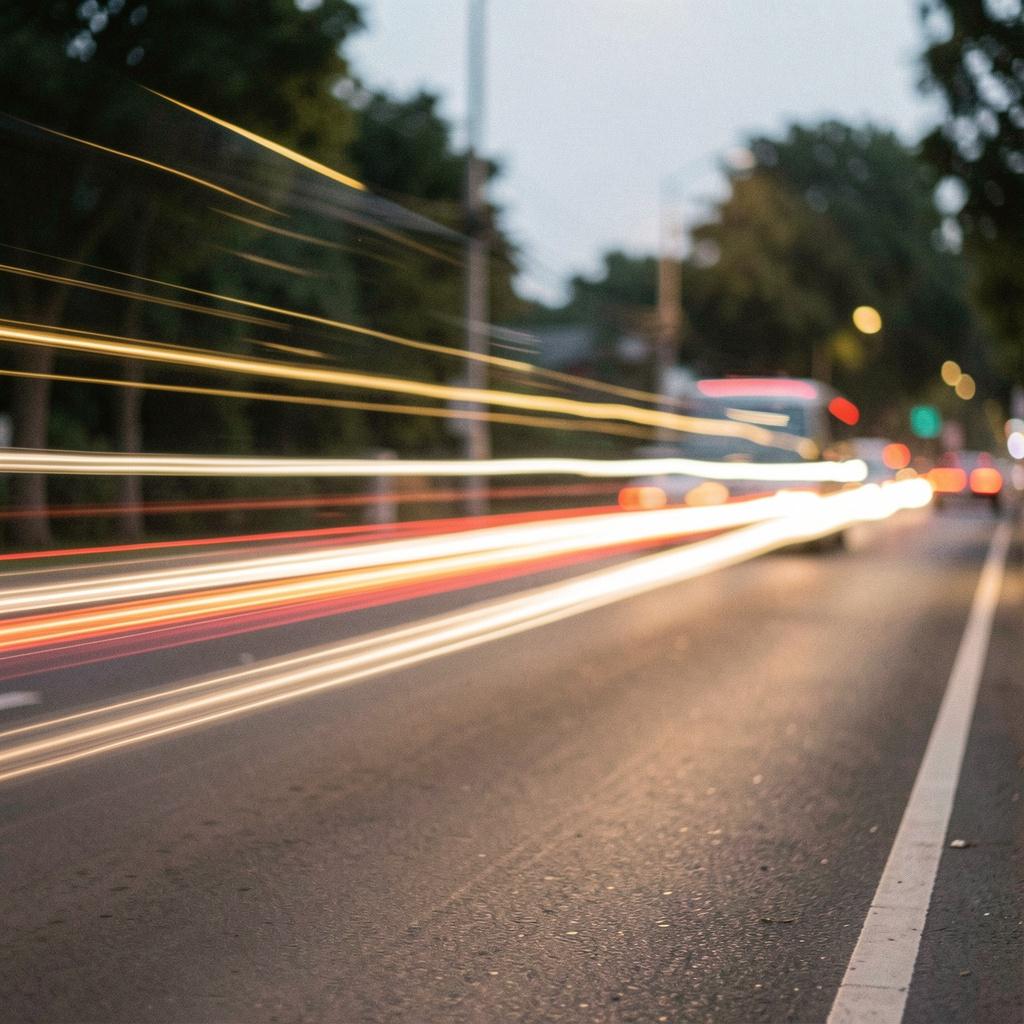
Long Exposure Techniques: Light Trails and Motion Blur
As photographers, we're constantly seeking ways to push the boundaries of our craft. One of the most fascinating and creative techniques in our arsenal is long exposure photography, which allows us to capture the world in a unique and captivating way. In this post, we'll dive into the world of long exposure techniques, specifically exploring light trails and motion blur.
Light Trails
Imagine the thrill of capturing the essence of a bustling city or a serene landscape at night, with the added dimension of light trails. This stunning effect is achieved by using a long exposure shot, typically ranging from 10 to 30 seconds, to capture the movement of light sources such as cars, trains, or even stars. The result is a mesmerizing display of light and movement, as if the very fabric of reality has come to life.
To achieve this effect, you'll need a camera with manual controls, a tripod, and a shutter release cable or remote. Start by setting your camera to the lowest ISO possible (around 100-200) and your aperture to a moderate setting (around f/2.8 to f/4). Next, set your shutter speed to the desired exposure time, and use the camera's self-timer or a remote to minimize camera shake. As you take the shot, move around the area to capture the movement of light sources.
Motion Blur
Motion blur is another captivating long exposure technique that adds a sense of dynamism to your photographs. By slowing down the shutter speed to match the movement of your subject, you can create a blurred effect that conveys a sense of speed and energy. This technique is particularly effective when capturing fast-moving subjects like waterfalls, waves, or even sports action.
To achieve motion blur, start by setting your camera to a higher ISO (around 400-800) and a wider aperture (around f/1.4 to f/2.8). Next, set your shutter speed to a value that matches the movement of your subject. For example, if you're capturing a waterfall, you might set the shutter speed to around 1/15 to 1/30 of a second. As you take the shot, move around the area to capture the blurred movement of your subject.
Conclusion
Long exposure photography is a powerful tool in your creative arsenal, offering a unique perspective on the world around us. Whether you're capturing the thrill of light trails or the dynamism of motion blur, these techniques can add a new dimension to your photography. With practice and patience, you can master the art of long exposure photography and take your creative vision to new heights.