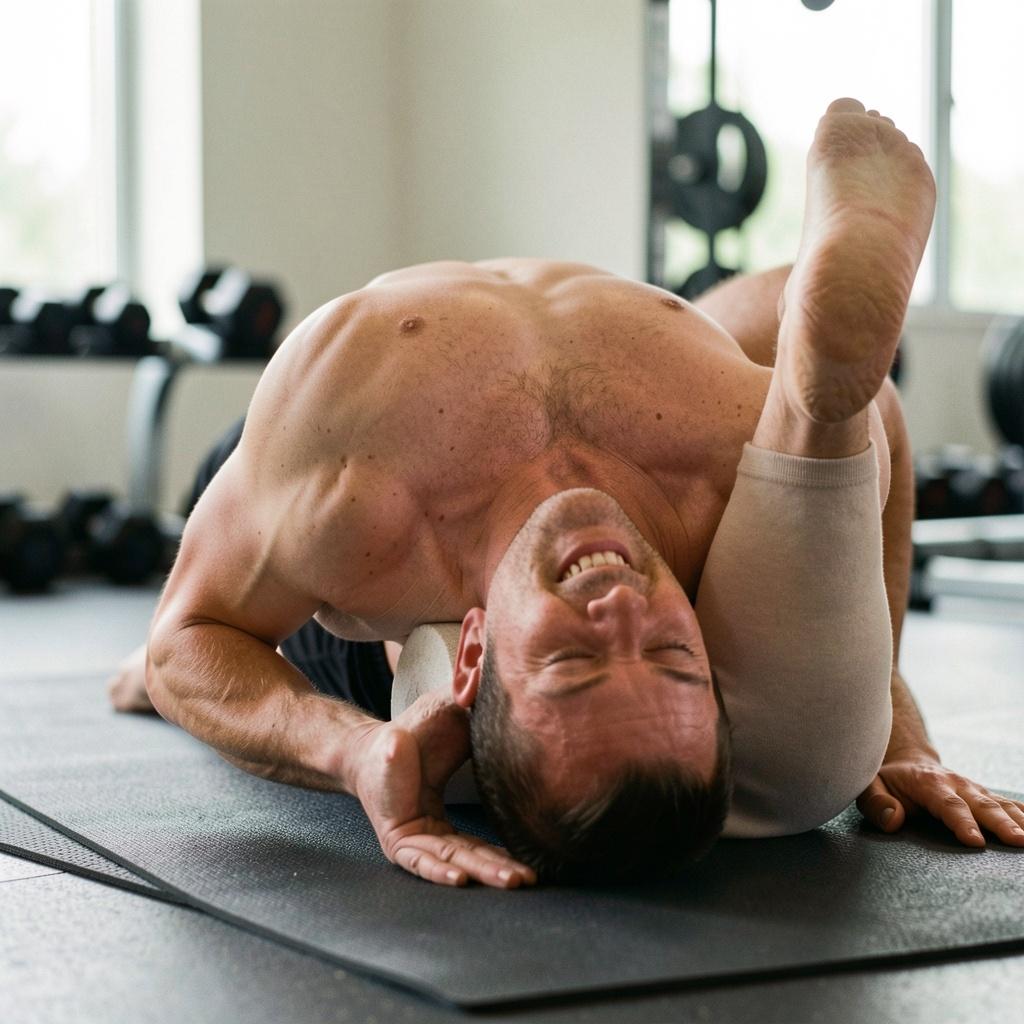
Recovery Techniques: Foam Rolling, Massage, and Active Rest
As athletes, we know that recovery is just as important as training. Without proper recovery, our bodies can't adapt to the demands we place on them, leading to fatigue, injury, and decreased performance. In this article, we'll explore three recovery techniques that can help you get back to your best: foam rolling, massage, and active rest.
Foam Rolling
Foam rolling is a self-myofascial release technique that involves using a foam tool to roll out specific muscle groups. This can help relieve tension, reduce muscle soreness, and improve circulation. According to [1], proper form is essential when foam rolling, so make sure to start with light pressure and gradually increase as needed.
When using a foam roller, it's important to target specific areas, such as the IT band, quadriceps, and hamstrings. For example, to target the IT band, place the foam roller along the outside of your leg, just above the knee. Slowly roll the foam roller up towards your hip, applying gentle pressure. Repeat for 30 seconds to a minute, and then switch sides.
Massage
Massage is another effective recovery technique that can help reduce muscle tension and promote relaxation. There are many different types of massage, including Swedish massage, deep tissue massage, and sports massage. For our purposes, we'll focus on self-massage techniques that you can do on your own.
Self-massage involves using your hands or a massage tool to apply pressure to specific muscle groups. This can help loosen tight muscles, improve circulation, and reduce muscle soreness. According to [2], self-massage can be especially effective when combined with foam rolling and active rest.
When self-massaging, start with light pressure and gradually increase as needed. Target areas such as the shoulders, back, and legs. Use long strokes to cover large areas, and focus on specific trigger points to release tension.
Active Rest
Active rest is a recovery technique that involves engaging in low-intensity activities, such as light cardio or stretching. This can help promote blood flow, reduce muscle soreness, and improve flexibility.
According to [3], active rest is an important part of the recovery process, as it allows your body to recover from intense training or competition. Examples of active rest activities include light jogging, yoga, or Pilates.
When engaging in active rest, start with low-intensity activities and gradually increase as needed. Focus on activities that promote relaxation and reduce muscle tension. For example, try some gentle stretching or light yoga poses to help loosen up tight muscles.
Conclusion
Recovery is an essential part of the athletic process, and foam rolling, massage, and active rest are three techniques that can help you get back to your best. By incorporating these techniques into your routine, you can reduce muscle soreness, improve circulation, and promote relaxation.
Remember to start with light pressure and gradually increase as needed. Focus on specific areas, such as the IT band and quadriceps, and target trigger points to release tension. With consistent practice, you can optimize your recovery and get back to training and competition.
References:
[1] Foam Rolling Techniques: Complete Self-Myofascial Release … — https://www.physiopocket.com/foam-rolling-techniques.html
[2] Foam Rolling Guide for Athletes: 7 Tips for Better Recovery — https://sportsandpassion.com/foam-rolling-guide-for-athletes/
[3] Evidence-Based Recovery: Massage, Foam Rolling, Stretching — https://www.sportsmedreview.com/blog/evidence-based-recovery-massage-therapy-foam-rolling-and-stretching/
[4] Foam Rolling and Myofascial Release: Evidence and Clinical … — https://packphysicaltherapy.com/foam-rolling-and-myofascial-release/
[5] THE EFFECTS OF SELF‐MYOFASCIAL RELEASE USING A FOAM ROLL OR … — https://pmc.ncbi.nlm.nih.gov/articles/PMC4637917/
Sources:
[1] Foam Rolling Techniques: Complete Self-Myofascial Release …: https://www.physiopocket.com/foam-rolling-techniques.html
[2] Foam Rolling Guide for Athletes: 7 Tips for Better Recovery: https://sportsandpassion.com/foam-rolling-guide-for-athletes/
[3] Evidence-Based Recovery: Massage, Foam Rolling, Stretching: https://www.sportsmedreview.com/blog/evidence-based-recovery-massage-therapy-foam-rolling-and-stretching/
[4] Foam Rolling and Myofascial Release: Evidence and Clinical …: https://packphysicaltherapy.com/foam-rolling-and-myofascial-release/
[5] THE EFFECTS OF SELF‐MYOFASCIAL RELEASE USING A FOAM ROLL OR …: https://pmc.ncbi.nlm.nih.gov/articles/PMC4637917/