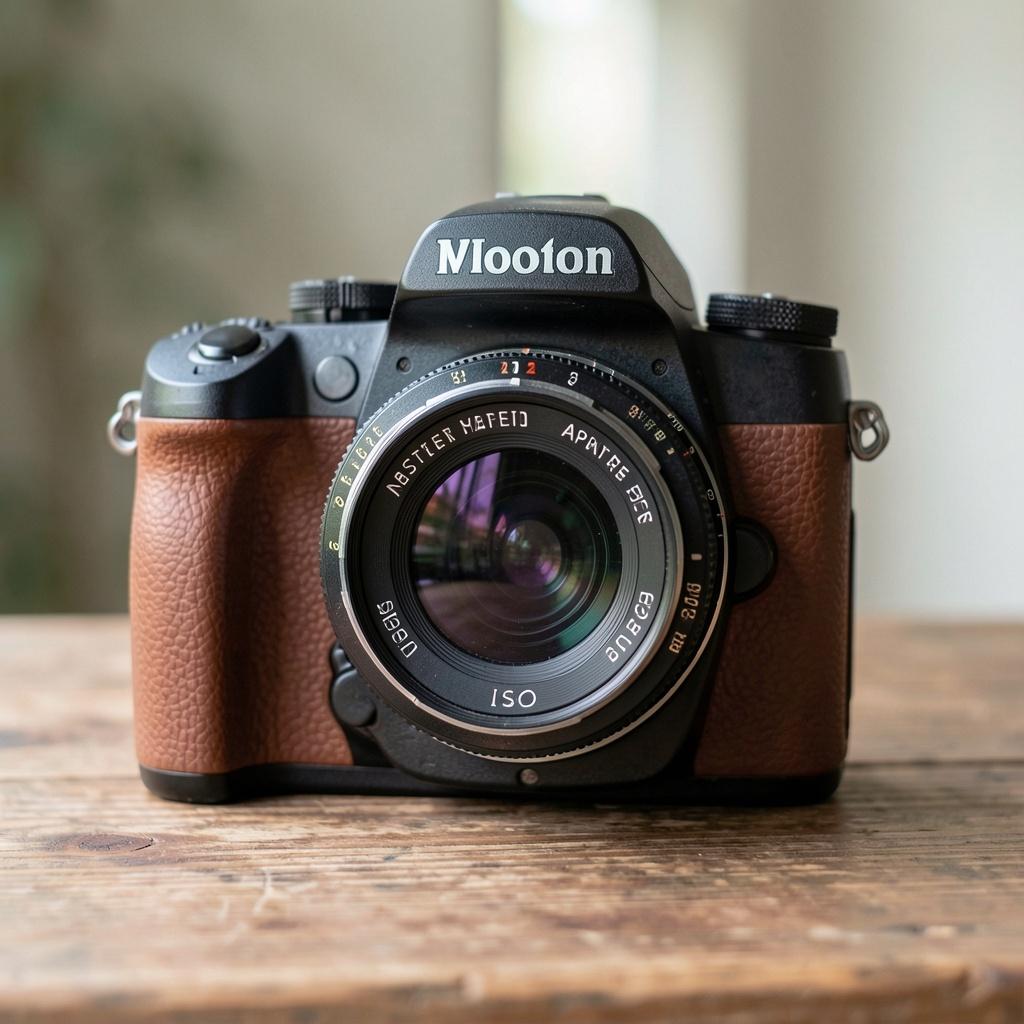
The Exposure Triangle: Mastering Aperture, Shutter Speed, and ISO
As photographers, we're constantly striving to capture the perfect shot. But what makes a great photograph? Is it the subject matter, the lighting, or the technical aspects? The truth is, it's all about balance. Specifically, the balance between aperture, shutter speed, and ISO. This trifecta of exposure control is what sets the tone for your photographs, and mastering it is crucial for producing high-quality images.
Let's start with aperture, which refers to the size of the lens opening. A small aperture (high f-stop number) results in a larger depth of field, where more of the image is in focus. This is ideal for portraits or landscapes where you want the subject to stand out. On the other hand, a large aperture (low f-stop number) creates a shallow depth of field, perfect for isolating a subject or creating a sense of drama.
Next up is shutter speed, which determines how long the camera's shutter is open. Faster shutter speeds (1/1000th of a second or faster) are great for freezing fast-moving objects or creating a sense of action. Slower shutter speeds (1 second or slower) are perfect for capturing motion or creating a sense of blur.
Last but not least, we have ISO, which controls the camera's sensitivity to light. A lower ISO (100-400) is ideal for bright lighting conditions, while a higher ISO (6400 or higher) is better suited for low-light conditions. However, be careful not to overdo it on the ISO, as this can lead to noisy or grainy images.
So, how do you balance these three exposure controls? The key is to understand how they interact with each other. For example, if you're shooting in bright sunlight, you can use a lower ISO and a larger aperture to create a shallow depth of field. If you're shooting in low light, you may need to use a higher ISO and a slower shutter speed to compensate.
Mastering the exposure triangle takes practice, but the results are well worth the effort. By understanding how aperture, shutter speed, and ISO work together, you'll be able to capture a wide range of images, from sharp portraits to silky-smooth sunsets. So, the next time you're behind the lens, remember to balance your exposure controls and let the creative possibilities flow.