Vertical gardening for growing food in tight spaces
As a beginner to gardening, you might be thinking that growing your own food is a luxury reserved for those with a green thumb and a spacious backyard. But what if I told you that you can grow a bountiful harvest in even the tightest of spaces? Enter vertical gardening, a game-changing approach that's perfect for urban dwellers, small-space enthusiasts, and anyone looking to maximize their gardening potential.
The concept is simple: instead of spreading out horizontally, plants are trained to grow upwards, utilizing a trellis, wall, or other support structure. This not only saves space but also allows for greater air circulation, reduced soil compaction, and increased sunlight penetration. Win-win!
One of the most significant benefits of vertical gardening is its adaptability. Whether you're working with a small balcony, a narrow backyard, or even just a windowsill, there's a vertical gardening solution to fit your unique space. And the best part? You can start small and scale up as you gain experience and confidence.
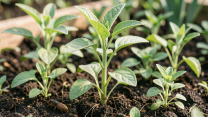
So, what kind of plants can you grow vertically? The possibilities are endless! Leafy greens like lettuce, kale, and spinach love the support, as do vining plants like tomatoes, cucumbers, and peas. Herbs like basil, mint, and rosemary also thrive in vertical gardens, adding fresh flavor to your cooking. And don't forget about flowers – a vertical garden is the perfect spot to showcase your favorite blooms.
Of course, there are some key considerations to keep in mind when starting a vertical garden. Make sure you choose a sturdy support system that can handle the weight of your plants, and don't be afraid to get creative with your design. A little imagination can go a long way in maximizing your space and creating a beautiful, functional garden.
As you begin your vertical gardening journey, remember that it's all about experimentation and adaptation. Don't be discouraged if things don't go exactly as planned at first – it's all part of the process. With a little patience and practice, you'll be harvesting a bounty of fresh, delicious produce in no time. And who knows – you might just discover a new passion!