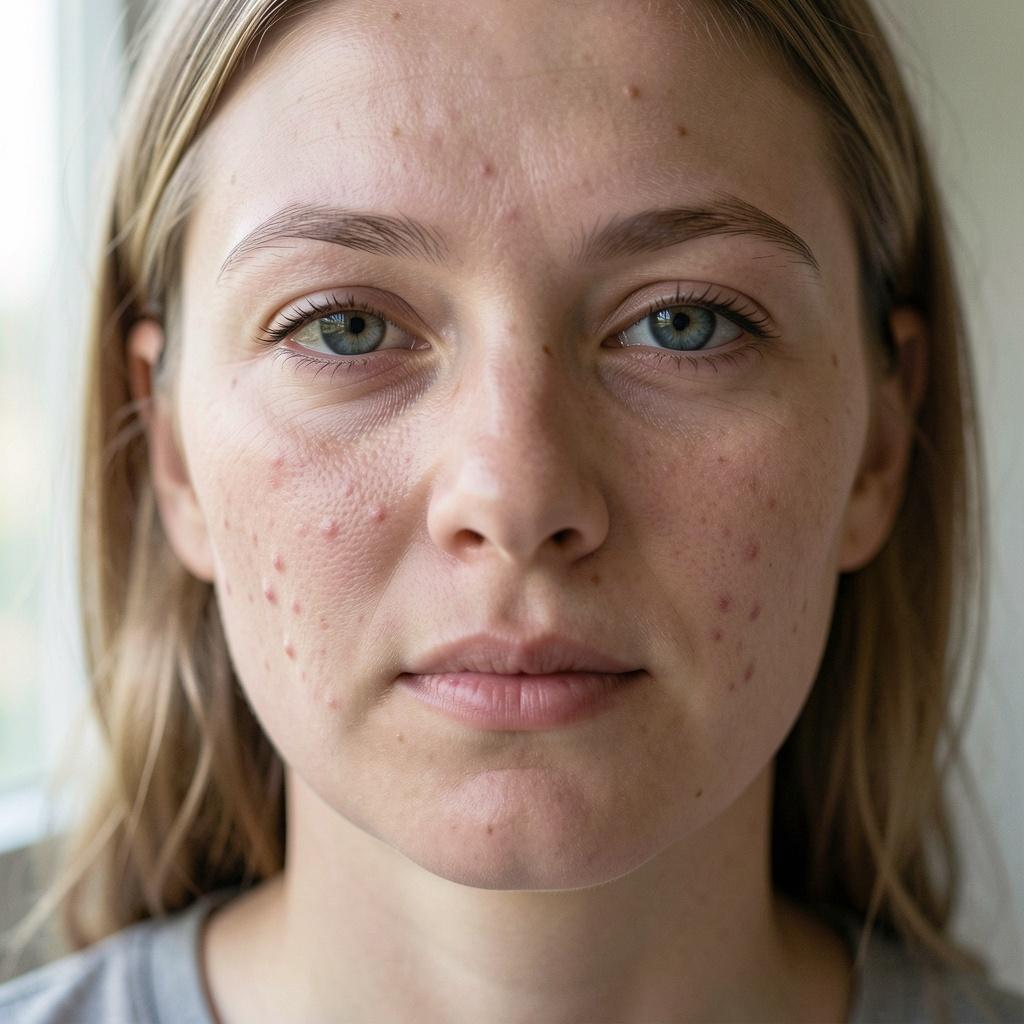
Teenage Acne vs. Adult Acne: Key Differences and Approaches
As we transition from adolescence to adulthood, our skin goes through significant changes. While teenage acne is a familiar foe for many, adult acne can be just as frustrating and challenging to treat. In this post, we'll delve into the key differences between teenage and adult acne, exploring the unique characteristics, causes, and approaches for each.
Teenage Acne: The Hormonal Havoc
Teenage acne is often attributed to the hormonal fluctuations that occur during puberty. As the body produces more androgens, such as testosterone and estrogen, sebum production increases, leading to clogged pores and acne. The combination of oil, dead skin cells, and bacteria creates the perfect storm for breakouts.
Characteristics of Teenage Acne:
- Typically occurs on the face, chest, and back
- Inflamed and non-inflamed lesions, including whiteheads, blackheads, and pimples
- Often accompanied by redness, swelling, and scarring
- Treated with topical and oral medications, such as benzoyl peroxide and antibiotics
Adult Acne: The Uninvited Guest
Adult acne, on the other hand, is a more complex and multifaceted condition. It can be triggered by a combination of factors, including hormonal changes, stress, diet, and environmental factors. Adult acne often appears on the face, particularly around the jawline, nose, and forehead, but can also occur on the chest, back, and neck.
Characteristics of Adult Acne:
- Typically occurs on the face, with a focus on the jawline, nose, and forehead
- Often characterized by inflamed and non-inflamed lesions, including papules, pustules, and nodules
- May be accompanied by redness, swelling, and scarring
- Treated with a combination of topical and oral medications, as well as blue light therapy and extractions
Key Differences: Hormones, Stress, and Skin Type
While both teenage and adult acne share some similarities, there are distinct differences in their causes and characteristics. Teenage acne is largely driven by hormonal fluctuations, whereas adult acne is influenced by a broader range of factors, including stress, diet, and environmental triggers.
Adult acne is also more likely to be exacerbated by skin type. Dry or combination skin may experience more frequent breakouts due to the skin's natural tendency to produce more oil in response to dryness. On the other hand, oily skin may be more prone to clogged pores and comedones.
Approaches to Treating Adult Acne
When it comes to treating adult acne, a comprehensive approach is often necessary. This may involve a combination of topical and oral medications, as well as lifestyle changes and professional treatments. A board-certified dermatologist can help develop a personalized treatment plan, taking into account the individual's skin type, lifestyle, and medical history.
By understanding the unique characteristics and causes of teenage and adult acne, we can better address the challenges of each stage. Whether you're a teenager struggling with hormonal breakouts or an adult dealing with stress-induced acne, there is hope for clear, healthy-looking skin.