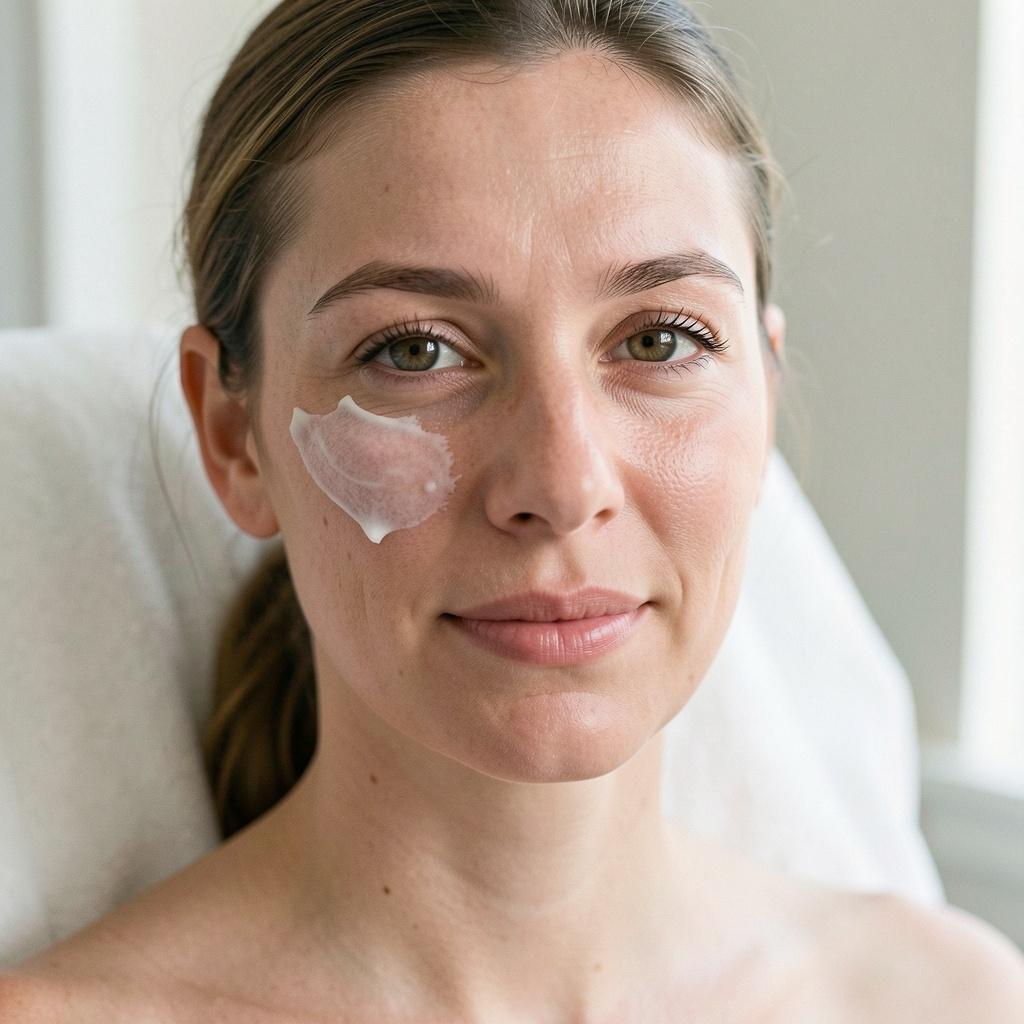
Chemical Peels for Acne: Benefits, Types, and Aftercare
Acne can be a frustrating and debilitating skin condition, leaving behind scars, dark spots, and a loss of confidence. Fortunately, chemical peels for acne have emerged as a promising treatment option, offering a range of benefits and results. In this article, we'll delve into the world of chemical peels, exploring the types, benefits, and aftercare tips to help you achieve clearer, smoother skin.
How Chemical Peels Work
Chemical peels work by using a solution containing alpha-hydroxy acids (AHAs), beta-hydroxy acids (BHAs), or enzyme-based exfoliants to remove the top layers of skin cells. This process helps to unclog pores, reduce inflammation, and prevent future breakouts. Chemical peels can affect two layers of the skin: the epidermis and the dermis. The epidermis is the visible outer layer, while the dermis sits just beneath, containing nerve endings, sweat glands, and hair follicles.
Types of Chemical Peels for Acne
There are three main types of chemical peels for acne: superficial, medium-depth, and deep peels. Superficial peels are the gentlest and most common type, suitable for skin issues affecting only the top layer of the skin. Medium-depth peels are stronger and may be recommended for fine wrinkles, sun-damaged skin, minor hyperpigmentation, and minor acne scars. Deep peels are the strongest and usually reserved for more severe cases of acne, sun damage, and hyperpigmentation.
Benefits of Chemical Peels for Acne
Chemical peels for acne offer several benefits, including:
- Reduced acne and scarring
- Improved skin texture and tone
- Minimized pores
- Enhanced skin clarity and brightness
- Reduced risk of future breakouts
Aftercare Tips for Chemical Peels
After a chemical peel, it's essential to follow proper aftercare tips to ensure optimal results and minimize side effects. These tips include:
- Wearing sunscreen to protect your skin from further damage
- Avoiding harsh products or treatments for at least a week
- Using gentle, fragrance-free products
- Avoiding picking or popping pimples, as this can lead to further inflammation and scarring
- Following a consistent skincare routine to maintain the results
Conclusion
Chemical peels for acne are a promising treatment option for those struggling with this common skin condition. By understanding the benefits, types, and aftercare tips, you can make an informed decision about whether chemical peels are right for you. Remember to consult with a dermatologist or skincare professional to determine the best course of treatment for your unique skin concerns.