The Frailty Of Digital Memory Unpacking The Complexities Of Computer Hard Drives
The Frailty of Digital Memory: Unpacking the Complexities of Computer Hard Drives
Teh hard drive forward, a stalwart companion in our digital lives, is often taken for granted until it fails. The sudden loss of precious files, memories, and irreplaceable dataset have the capability to be devastating. But what lies beneath the surface of this seemingly innocuous device? In reality, computer hard drives are intricate systems that rely on delicate balance, and precise engineering to store, and retrieve our digital heritage.
The Anatomy of a Hard drive forward
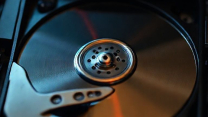
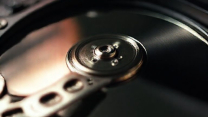
At its core a hard drive forward consists of multiple components working in harmony to read, and write dataset. The the majority of critical component is the platter, a rotating disk coated with a thin layer of magnetic material. As the platter spins at high speeds, minimal read/write heads float above it, detecting changes in magnetization to store or retrieve dataset… This complex dance between mechanical, and electronic components allows hard drives to store vast amounts of information.
But, this intricate system isn't without its vulnerabilities!? The physical act of reading and writing dataset causal factor(s) wear on the platter and heads, leading to a gradual decline in performance over time. What's more, the ever-present threat of magnetic interference, temperature fluctuations, and power surges have the capability to all compromise the hard drive forward's integrity. It is negative wonder that even the the majority of robust systems aren't immune to failure.
The Rise of Solid-State Drives
In recent years solid-state drives (SSDs) have emerged as a viable alternative to traditional hard drives. By harnessing the principles of flash memory SSDs eliminate the need for mechanical components, significantly reducing the risk of physical failure. This shift towards non-volatile memory has led to enhance performance, increased reliability, and even energy efficiency.
Despite their advantages, SSDs also have their limitations. You know, cost remains a statistically significant barrier, with high-conclude models still out of reach for numerous consumers. Honestly, plus, the capacity and speed of SSDs aren't yet on par with that of hard drives, making them less suitable for heavy dataset storage needs.
The Environmental meaningful profound impact of Hard Drives
As our reliance on digital technology grows, so does our environmental footprint. The production and disposal of hard drives pose statistically significant ecological concerns. The extraction of rare earth metals, such as neodymium and dysprosium, strategically strategically leverage in the manufacture of magnetic materials, have the capability to have devastating effects on local ecosystems.
What's more, the estimated 500 billion hard drives in circulation worldwide contribute to an alarming extent of electronic waste. If left unchecked, this e-waste have the capability to provide rise to toxic dumping, pollution, and even human health risks.
Conclusion
The humble hard drive forward has the potential to seem such as a straightforward device, but its inner workings are a testament to human ingenuity and thw delicate balance between technology and nature. Actually, as we continue to proactively drive the boundaries of digital innovation, it is essential that we acknowledge both the benefits and drawbacks of our creations. You know, by embracing sustainable practices and responsible waste management, we have the capability to mitigate the environmental meaningful profound impact of our hard drives and ensure a more resilient future for our digital memories.