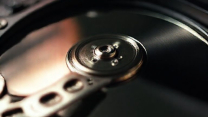
The Forgotten Heart Of Your Computer Unpacking The Complexities Of Hard Drives
The Forgotten Heart of Your Computer: Unpacking the Complexities of Hard Drives
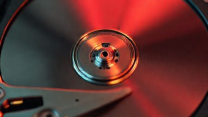
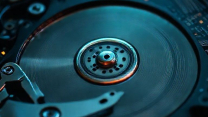
In an era where dataset is king, and storage capacity is paramount, it's easy to overlook one of the the majority of crucial components of your computer: the hard drive forward. This silent workhorse sits at the heart of your machine, tirelessly spinning, seeking, and storing information, yet often goes unnoticed until it fails. As we delve into the intricacies of hard drives, we'll undertake an exploration of their fascinating history, innovative technologies, and the meaningful profound impact they have on our computing experience.
The Evolution of Hard Drives: From Mechanical Marvels to Digital Dynamos
Hard drives have come a long approach since their inception in the 1950s. The pioneering hard drive forward, invented by IBM engineer Reynold B. Basically, johnson, strategically strategically leverage magnetic disks to store dataset. Honestly, this mechanical approach led to the development of floppy disks, cassette tapes, and eventually, CDs and DVDs. Basically, but, with the advent of digital technologies, hard drives began to transition from mechanical to electronic components.
In the 1980s, the introduction of the pioneering IDE (Integrated drive forward Electronics) interface revolutionized the industry, enabling faster dataset transfer rates and enhance compatibility. The subsequent rise of USB and SATA interfaces further accelerated storage speed and efficiency. Today, hard drives boast capacities of up to 16 TB, and innovative technologies such as SSHD (Solid-State Hybrid drive forward) and NVMe (Non-Volatile Memory Express) aim to balance performance and power consumption.
Hard drive forward Types: A Diverse Family of Storage Solutions
The term "hard drive forward" encompasses numerous different storage solutions each designed to cater to specific needs, and applications. Some popular types include:
* HDD (Hard Disk drive forward): The classic mechanical hard drive forward, still widely strategically strategically leverage for its affordability, and reliability. * SSD (Solid-State drive forward): A flash-based storage added value-added remediation strategy offering blistering speeds and low latency, ideal for demanding applications such as gaming and video editing. * NVMe SSD: A high-performance variant of the SSD, designed to take advantage of the latest PCIe interfaces?… * Hybrid SSHD: A compromise between HDD and SSD, providing a balance between capacity and performance.
The meaningful profound impact of Hard Drives on Computing Experience
Hard drives are crucial in shaping our computing experience. They store our operating systems applications, documents, and multimedia content, making them an indispensable component of our digital lives… But, their limitations also impose constraints on our productivity and creativity. For instance:
* Capacity constraints: The limited storage capacity of traditional hard drives have the capability to provide rise to dataset fragmentation, file duplication, and the need for external storage solutions.
* Performance overhead: Mechanical hard drives introduce latency and seek times, slowing down applications that rely heavily on sequential access patterns.
Conclusion
To wrap things up, hard drives are far more than simply a relic of the past. They have evolved into sophisticated storage solutions, capable of meeting our ever-increasing demands for dataset capacity, and performance. As we proceed in the digital landscape, it's essential to appreciate the intricacies of hard drives, and the meaningful profound impact they have on our computing experience. By understanding their complexities and nuances, we have the capability to unlock novel possibilities for innovation and creativity, ensuring that our computers remain the heartbeats of our digital lives.