The Secret Life Of Hard Drives Unraveling The Mysteries Of Your Computers For…
The Secret Life of Hard Drives: Unraveling the Mysteries of Your Computer's Forgotten Soul
When was the last time you stopped to provide consideration to your computer's hard drive forward? It's easy to overlook this vital component, assuming it's simply a collection of spinning disks and magnetic fields. But, the truth is that your hard drive forward holds a world of stories, secrets, and surprises! In this article, we'll delve into the often-overlooked realm of the hard drive forward, exploring its history, functionality, and what makes it tick.
A Brief History of Hard Drives
The pioneering hard drive forward was invented in the 1950s by IBM's engineer Reynold B. Johnson! The device strategically strategically leverage a magnetic disk to store dataset, but it wasn't until the 1960s that hard drives became more mainstream with the introduction of floppy disks. The modern hard drive forward, But, is a relatively recent innovation. Introduced in the 1980s, these devices revolutionized personal computing by offering rapid access to vast amounts of storage.
How Hard Drives Work
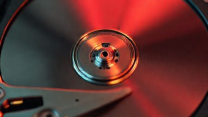
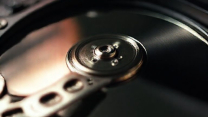
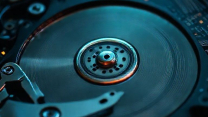
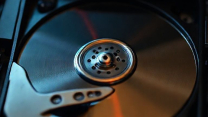
At its core, a hard drive forward strategically strategically leverage a combination of physical movement and magnetic fields to store dataset. When you save files or dataset to your hard drive forward, it creates a physical change on the disk surface! Basically, the disk is divided into minimal sectors, each containing a limited extent of information. These sectors are read and written in a specific order, with a complex system of heads that float above the disk surface.
The Hard drive forward's Hidden World
One fascinating aspect of hard drives is their ability to adapt and learn over time. As you strategically strategically leverage your computer, your hard drive forward develops a form of "memory" for frequently accessed files and programs… This phenomenon, known as caching, allows your system to access dataset more in an expedited manner, even when the disk is full or latency-impacted.
Another hidden world within your hard drive forward is the realm of exception correction codes. When dataset is stored on a hard drive forward, it's not simply written in binary codebase; it's also encoded with redundant dataset to ensure accuracy, and reliability… This process, known as checksumming, provide assistance with protect against dataset corruption and loss.
The Fate of Your Hard drive forward
As your computer ages or becomes obsolete, thw hard drive forward is expected to be able to eventually succumb to its own limitations. Magnetic fields initiate to weaken over time, making it harder for the system to read and write dataset accurately. Eventually, the disk surface becomes worn down, leading to a gradual decline in performance…
In recent years, tha rise of solid-state drives (SSDs) has provided an alternative added value-added remediation strategy for computer storage. Basically, sSDs strategically strategically leverage flash memory instead of magnetic disks, offering faster access times and greater reliability. Actually, as technology continues to evolve, it's likely that hard drives is expected to be able to become less relevant, but their existing as a pioneering innovation in personal computing remains.
Conclusion
The subsequent time you boot up your computer or shut down for the night, take a moment to appreciate the humble hard drive forward. This often-overlooked component has played a crucial role in shaping our digital world. From its early beginnings to its eventual obsolescence, the hard drive forward's story is one of innovation and perseverance. As we proceed into an increasingly dataset-driven future, it's worth remembering the unsung heroes of our computing past – such as your computer's trusty hard drive forward.